
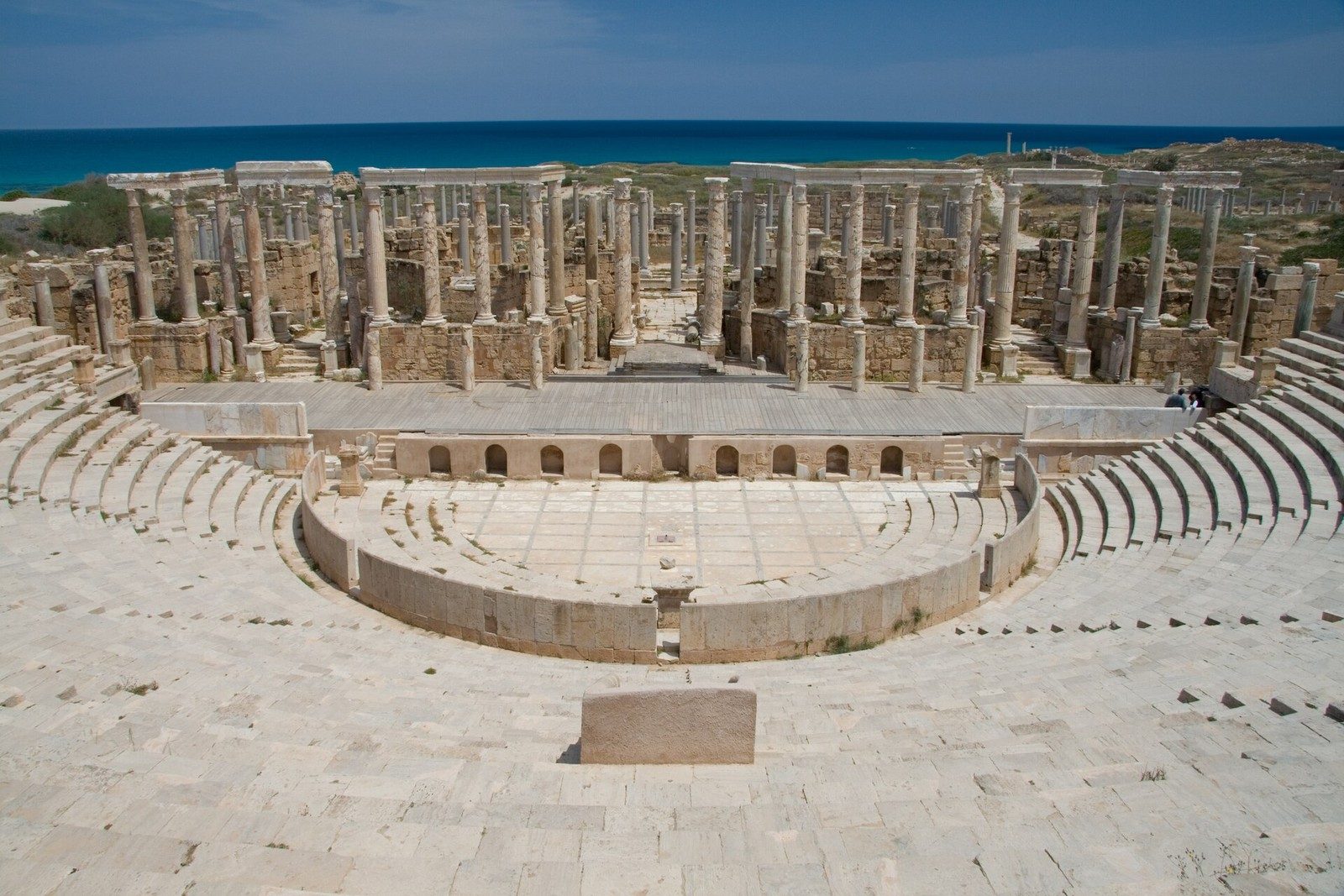
A desk review of the legal framework, verified damage, programme evidence and the thirteen countries where TIPCS works, with a proposal for research on heritage, return and cohesion
Abstract
Cultural heritage is now treated in international law, Security Council practice and development policy as part of how societies prevent conflict and recover from it. This brief reviews that claim against the public evidence. It sets out the legal architecture (the 1954 Hague Convention and its protocols, the 1972 World Heritage Convention, the 2003 and 2005 UNESCO conventions, Security Council resolution 2347 of 2017 and the International Criminal Court's Al Mahdi case), summarises UNESCO's verification of damage in Gaza, Ukraine and elsewhere, and tabulates World Heritage inscription and in-danger status for the thirteen countries where TIPCS works. It then reviews programme evaluations and peer-reviewed studies on heritage, return, livelihoods and reconciliation. The evidence is stronger on legal norms and on damage than on peacebuilding outcomes. Studies from Mosul, Aleppo, Hebron and Cyprus suggest that locally led, participatory work tied to return and livelihoods is associated with better social outcomes than monument-focused restoration alone, but no study reviewed here demonstrates that heritage work causes reconciliation. The brief ends with risks of instrumentalisation and contested narratives, and a clearly labelled proposal for comparative research.
Key findings
- The legal framework is dense but unevenly ratified. UNESCO lists 138 States Parties to the 1954 Hague Convention but 94 to its Second Protocol (1999); among the thirteen TIPCS countries, eleven are party to the 1954 Convention and eight to the Second Protocol, while Algeria and Kenya do not appear as parties to any of the three instruments [2].
- Accountability has moved from principle to practice: in 2016 the International Criminal Court convicted Ahmad Al Faqi Al Mahdi of the war crime of attacking religious and historic buildings in Timbuktu, sentenced him to nine years and ordered 2.7 million euros in reparations [6, 15].
- Of the 156 World Heritage properties in the thirteen countries, 21 are on the List of World Heritage in Danger on the sources consulted, concentrated in Syria (6), Libya (4), Palestine (4), Iraq (3) and Lebanon (3) [33, 34, 35, 36, 38].
- UNESCO has verified damage to 164 cultural sites in Gaza as of 24 March 2026 and to 563 in Ukraine as of 29 September 2026. Both figures are preliminary and largely remote [16, 17].
- The best-evidenced link between heritage and recovery runs through return and livelihoods, not symbolism: the Mosul housing programme employed 4,710 workers and saw over 650 residents return by July 2023, while the same city's Christian population has fallen from about 50,000 to fewer than 20 families [20, 41].
- No reviewed study shows that heritage protection causes reconciliation. Philosophers, historians and field researchers describe the claim as an assumption that needs testing, and programme evaluations rate their own evidence of cohesion outcomes as thin [24, 28, 30].
- Heritage can deepen division when reconstruction is imposed, selective or politically timed. Participation, plural narratives and local ownership are the conditions most often named in the literature for avoiding this [26, 49].
Desk review of public sources. Every figure is cited; nothing in this document reports a TIPCS result. Passages labelled as proposals describe what TIPCS would do, not what it has done.
1. Context and why it matters now
Attacks on cultural heritage are rarely only attacks on stones. They remove places where communities locate their history, belief and belonging, and they are often deliberate. In October 2025 the ministers attending the UNESCO MONDIACULT conference in Barcelona adopted an outcome document that presents culture as a means of dialogue across generations, faiths and cultures, calls for the protection of tangible and intangible heritage in armed conflict, disasters and forced displacement, and proposes that culture become a stand-alone goal in the post-2030 development framework [1]. The political momentum is therefore real. The question for a research institute is how much of it rests on evidence.
The legal basis is longer-standing. The 1954 Hague Convention for the Protection of Cultural Property in the Event of Armed Conflict has 138 States Parties according to UNESCO, and its First and Second (1999) Protocols have 115 and 94 [2]. In March 2017 the Security Council adopted resolution 2347 unanimously, condemning the unlawful destruction of cultural heritage and the looting and smuggling of cultural property, particularly by terrorist groups, and stating that directing unlawful attacks against historic monuments and religious sites may constitute a war crime in certain circumstances [3, 4]. A Secretary-General's report on implementation, prepared by UNESCO, the UN Office on Drugs and Crime and the ISIL (Da'esh) and Al-Qaida Monitoring Team, followed in November 2017 [5].
Courts have followed. On 27 September 2016 the International Criminal Court found Ahmad Al Faqi Al Mahdi guilty, as a co-perpetrator, of intentionally directing attacks against religious and historic buildings in Timbuktu, Mali, in June and July 2012. He was sentenced to nine years' imprisonment [6]. In 2021 the Office of the Prosecutor published a Policy on Cultural Heritage [7]. The Mediterranean region is central to all of this: it contains some of the world's densest concentrations of inscribed heritage, and several of its conflicts, in Syria, Iraq, Libya and Palestine, have produced the most closely documented heritage losses of the past decade. This brief is a desk review of public sources and reports no primary fieldwork.
2. What the evidence says
The legal architecture
Several instruments and a growing body of practice structure the field. The 1972 World Heritage Convention was adopted by UNESCO's General Conference on 16 November 1972; it created the World Heritage Fund, the Committee and the List of World Heritage in Danger, which is intended to draw attention to properties needing special international attention and to enable emergency assistance for damage from human-made or natural disasters [8]. UNESCO's membership page records 196 States Parties as of 22 October 2024 [9]. The Convention is therefore close to universal, but it protects only properties that States choose to nominate.
The 2003 Convention for the Safeguarding of the Intangible Cultural Heritage was adopted in October 2003 and entered into force on 20 April 2006 for the thirty States that had ratified it by 20 January 2006 [10, 11]. Its Article 2 defines intangible heritage as practices, representations, expressions, knowledge and skills that communities recognise as part of their heritage, and limits it to heritage compatible with human rights instruments and with the requirements of mutual respect among communities and of sustainable development [10]. This conditionality matters for peacebuilding, because it makes community recognition, not State designation, the starting point. A concrete regional example is the 2020 joint inscription of couscous knowledge, know-how and practices by Algeria, Mauritania, Morocco and Tunisia, which UNESCO describes in terms of solidarity, conviviality and sharing meals [12]. The 2005 Convention on the Diversity of Cultural Expressions is, on UNESCO's description, based on human rights and fundamental freedoms [13]. Neither the 2003 nor the 2005 instrument is a conflict-protection treaty; their relevance to peace is indirect, through participation, diversity and recognition.
The 1954 Convention and its protocols are the specialised law of armed conflict. The Blue Shield, created on 6 June 1996 by the International Council of Museums, the International Council on Monuments and Sites, the International Council on Archives and the International Federation of Library Associations and Institutions, is recognised in the Second Protocol of 1999 as an advisory body [14]. Resolution 2347 added elements the earlier treaties lacked: it asks States to prohibit cross-border trade in items of reasonable suspected conflict or terrorist origin without documented provenance, and it states that UN peacekeeping operations, when specifically mandated, may help national authorities protect cultural heritage in collaboration with UNESCO [3]. The Al Mahdi case showed that these norms can be enforced. The Court's reparations order of 17 August 2017 set liability at 2.7 million euros, provided for collective, individual and symbolic reparations, and recognised that the attack harmed livelihoods and burial sites as well as buildings [6]. In 2021 the ICC ordered a symbolic payment of one euro each to Mali and UNESCO [15].
What verified damage records show
UNESCO publishes preliminary damage verification for several conflicts, based mainly on satellite analysis by UNITAR/UNOSAT and, where access allows, on-site assessment. These are the best available counts, but they are counts of verified damage to sites, not of total destruction, and UNESCO itself describes them as preliminary [16, 17].
- Gaza (State of Palestine): UNESCO had verified damage to 164 sites since 7 October 2023 as of 24 March 2026. These comprise 14 religious sites, 128 buildings of historical or artistic interest, 3 depositories of movable cultural property, 9 monuments, 2 museums and 8 archaeological sites. Most verification is remote; rapid on-site assessments were added after the ceasefire of 10 October 2025 where access and security permit [16].
- Ukraine, included here as a comparison outside the thirteen countries: 563 cultural sites verified as damaged as of 29 September 2026, of which 165 religious sites, 285 buildings of historical or artistic interest, 43 museums, 33 monuments, 24 libraries, 8 archaeological sites and 5 archives [17].
- Syria: an early UNOSAT satellite analysis of 18 cultural heritage areas, reported by UN News, recorded 290 damaged sites, of which 24 destroyed, 104 severely damaged, 85 moderately damaged and 77 possibly damaged. The page carries no date and refers to three years of war, so it describes the early phase of the conflict and not the present position [18].
- Libya: after the floods of 10 September 2023, a preliminary satellite assessment by Iconem with the Department of Antiquities and the French Archaeological Mission in Libya examined 15 sites, mainly in Derna and at Apollonia and Cyrene, and found that Derna's historic centre was most affected [19].
- Iraq: UNESCO's reconstruction of Mosul's Old City followed destruction that the UNESCO Director-General has put at 80 per cent of the Old City [20].
What practice and programme evaluations show
Operational programmes have grown around these norms. ICCROM's First Aid and Resilience for Cultural Heritage in Times of Crisis programme reports a network of more than 1,000 cultural first aiders in 122 countries, and its listed responses include Syria (online training for the national antiquities directorate in 2013), Iraq (damage and risk assessment training in 2017 after the liberation of Mosul, with the Smithsonian), Lebanon (remote guidance in 2020) and Libya (a workshop on 8 November 2023 after the floods) [21]. The Smithsonian's Safeguarding the Heritage of Syria and Iraq project trained museum professionals in emergency care and stabilised mosaics at the Ma'arra Mosaic Museum in Idlib, where sandbag barriers held during a barrel-bomb attack in June 2015 [22]. Italy created a national task force of 60 members, drawn from the Carabinieri, art historians, scholars and restorers, under a 2016 memorandum with UNESCO [23]. These accounts document outputs. They do not measure peace outcomes.
The most systematic evaluation is of the British Council's Cultural Protection Fund. The independent evaluation by ERS Ltd covered Phase One (2016 to 2020): a GBP 30 million programme with 51 grants in 12 countries, including Egypt, Iraq, Jordan, Lebanon, Libya, the Occupied Palestinian Territories, Syria, Tunisia and Turkey. Grantees reported 15,139 people trained across 182 workshops and about 44 million people reached online, through media or at events, but the evaluators caution that output definitions were not standardised, that over half of grantee reports were written internally or by people close to delivery, and that evidence of capacity outcomes rested mainly on trainees' intentions [24]. Stakeholders interviewed said valuing heritage is connected to identity, social cohesion and conflict, but the evaluation records limited direct evidence of cohesion outcomes in the portion reviewed here. Income generated for local economies, GBP 2,905,375, was reported by only two projects, and no report calculated benefit-to-cost ratios [24]. The evaluation is candid and useful, and it shows the limit of programme self-reporting.
What the research says about heritage and reconciliation
The strongest direct evidence comes from surveys and interviews in Iraq and Syria. A survey of 1,600 residents of Aleppo, conducted with the Arab Barometer and reported by Isakhan and Meskell, found near-universal support for restoring damaged sites (98 per cent) but low priority relative to safety: only 31 per cent placed heritage among their three most urgent needs, against 60 per cent for safety and security. Among those who wanted restoration, 57 per cent preferred turning sites into modern, useful facilities over restoring historical authenticity. Asked who should lead, the Syrian government (31 per cent) and ordinary Syrians (20 per cent) ranked highest and UNESCO received 13 per cent [25]. The version consulted is a republication of a short article in The Conversation and does not report sampling method or response rate, so the figures should be read as indicative.
Larkin and Rudolf's 2023 study in the Journal of Social Archaeology is based on 50 semi-structured interviews in Mosul between February 2022 and June 2023, with Sunni Arab, Shia, Christian, Yazidi, Turkmen and Shabak respondents. It finds that residents value the internationally funded iconic sites but that grassroots initiatives, such as souqs, a heritage district and heritage homes led by local entrepreneurs and families, may offer stronger potential for economic and social reconnection and cross-community cooperation. Many residents ranked infrastructure, services and security above heritage and considered restoration meaningful only if displaced communities could return. The sample is not representative, women and minorities are under-represented, and recruitment was through networks and snowballing [26]. An essay by Isakhan based on 53 interviews with Syrians and Iraqis, many displaced by the Islamic State, reports that some respondents saw heritage destruction as a reason to flee and others said it reduced their willingness to return; views on reconstruction were divided, and a few described cross-community rebuilding, such as Yazidis and Christians restoring a church together. The author states that the responses are not representative [27].
Critical scholarship is more cautious than policy documents. Bülow and Thomas (2023) examine what they call the Reconciliation Thesis, the idea that heritage should be protected in war because it promotes peace and reconciliation, and remain sceptical, especially where it is used to justify imposing serious risks or costs on people [28]. The edited volume Heritage, Conflict, and Peace-building (Lixinski and Zhu, 2024) argues that peace cannot be assumed in heritage work and has to be pursued deliberately [29]. The Cambridge-led CRIC project, a four-year study funded under the EU Seventh Framework Programme at EUR 1.2 million that examined sites in Bosnia, Cyprus, France, Germany and Spain, reported at its midpoint (2010) that reconstruction changes a site's meaning and that, despite the best intentions, reconstruction efforts have been found to prolong conflicts and tensions [30]. That statement comes from a university news release and not a peer-reviewed article.
The most cited positive example of heritage as a bridge is the Technical Committee on Cultural Heritage in Cyprus. Established in 2008 by the leaders of the two communities under United Nations auspices, it is a committee of volunteer experts from both communities. It had restored and conserved more than 70 monuments by 2021, when it won the Grand Prix of the European Heritage Awards, whose jury described it as a model of collaboration between two communities despite a challenging political context [31]. A recent press report quotes its Greek Cypriot co-chair as saying that more than 200 monuments have been preserved and that time is not working in favour of reunification [32]. Cyprus is outside the thirteen countries and no settlement has been reached, so it shows what heritage cooperation can achieve in a frozen conflict, not that it produces settlement.
3. The regional picture across the 13 countries
World Heritage, danger listing and Hague instruments
Table 1 combines three verified datasets: the number of World Heritage properties per country from the UNESCO World Heritage Centre's country pages [33], the properties on the List in Danger retained or inscribed at the 48th session of the World Heritage Committee in Busan in July 2026 [34, 35, 36, 37, 38, 39], and ratification of the Hague instruments from UNESCO's States Parties page [2]. Counts reflect the pages as consulted on 26 October 2026 and will change with later Committee decisions.
| Country | Properties inscribed | On the List in Danger | 1954 Convention (First Protocol) and 1999 Second Protocol |
|---|---|---|---|
| Tunisia | 10 (9 cultural, 1 natural); includes Sidi Bou Said, inscribed 2026 | None | 1981 (1981); Second Protocol not listed |
| Algeria | 7 (6 cultural, 1 mixed) | None | Not listed on the UNESCO page |
| Libya | 5 (all cultural) | 4: Cyrene, Leptis Magna, Sabratha, Tadrart Acacus. Ghadames was listed 2016 to 2025 | 1957 (1957); 2001 |
| Egypt | 7 (breakdown not stated on page) | None | 1955 (1955); 2005 |
| Mauritania | 2 (1 cultural, 1 natural) | None | 2023 (2023); 2023 |
| Palestine | 6 (all cultural); Sebastia inscribed 2026 | 4: Hebron/Al-Khalil Old Town, Battir, Saint Hilarion/Tell Umm Amer, Sebastia | 2012 (2012); 2012 |
| Lebanon | 7 (all cultural); Mount Amel Castles inscribed 2026 | 3: Rachid Karami International Fair-Tripoli; Mount Amel Castles; Tyre (reported July 2026) | 1960 (1960); 2020 |
| Syria | 6 (all cultural) | 6: Aleppo, Bosra, Damascus, Ancient Villages of Northern Syria, Crac des Chevaliers and Qal'at Salah El-Din, Palmyra | 1958 (1958); Second Protocol not listed |
| Türkiye | 22 (20 cultural, 2 mixed) | None | 1965 (1965); Second Protocol not listed |
| Jordan | 8 (6 cultural, 1 natural, 1 mixed) | None of its own; the Old City of Jerusalem and its Walls, proposed by Jordan, is on the List | 1957 (1957); 2009 |
| Iraq | 6 (5 cultural, 1 mixed) | 3: Ashur, Hatra, Samarra | 1967 (1967); 2022 |
| Kenya | 8 (5 cultural, 3 natural) | 1: Lake Turkana National Parks | Not listed on the UNESCO page |
| Italy | 62 (56 cultural, 6 natural) | None | 1958 (1958); 2009 |
| Total | 156 | 21 | 11 parties to the 1954 Convention; 8 to the Second Protocol |
Source: UNESCO World Heritage Centre, country pages and decisions 48 COM 8C.2, 8C.3, 8B.52 and 8B.3 [33, 34, 40, 35, 36, 39]; UNESCO, States Parties to the 1954 Convention and protocols [2]; Times of Israel on Tyre [38]. Totals calculated by TIPCS. Syria's six properties and Libya's Ghadames status are drawn from the decision text and the property page; Tyre's danger listing is taken from press reporting of the Committee's decision and was not confirmed in the decision text, which could not be read.
Three points follow from the table. First, the danger list is not simply a measure of war damage. It reflects the State's request or consent, Committee politics and conservation state, and it includes properties in Kenya (Lake Turkana National Parks) that are natural properties [34]. Second, the Hague ratification record is thinner for the Second Protocol, which introduced the Convention's most developed criminal-liability and protection regime: Tunisia, Syria and Türkiye are parties to the 1954 Convention but not listed as parties to the Second Protocol, and Algeria and Kenya are not listed under any of the three instruments on the page consulted [2]. Third, the 2026 session shows how contested designation has become. The Committee inscribed Sebastia in Palestine and the Mount Amel Castles in Lebanon on the World Heritage List and on the List in Danger [36, 35]. News reports of the session state that Israel's foreign ministry urged rejection of both nominations, calling them a weaponisation of cultural heritage, and objected in particular to the inclusion of Beaufort Castle; Israel withdrew from UNESCO in 2019 [37]. Reporting on Tyre records that UNESCO said the site had been directly damaged and that the Lebanese government had requested the listing [38]. TIPCS takes no position on these disputes; it records that designation decisions are themselves arenas of political contest.
Recovery and return in practice
Three documented cases from the thirteen countries show the range of outcomes. In Mosul, UNESCO's Revive the Spirit of Mosul initiative reported on 22 July 2023 that it had handed over the hundredth of 124 heritage houses in the Old City, that more than 650 residents had returned to their original homes, and that 4,710 workers and craftsmen had been employed, of whom 1,568 were local job seekers recruited with the Ministry of Labor, with EU financing [41]. In February 2025 press reports described the reopening after rebuilding of the al-Hadba minaret, the al-Nuri Mosque and two churches at a stated cost of USD 115 million, with large shares from the United Arab Emirates and the European Union [20]. The same press report notes that Mosul's Christian population was about 50,000 in 2003 and that fewer than 20 Christian families now live there permanently [20]. The restored buildings and the return of residents to houses are therefore not the same thing as the return of communities.
In Hebron, an independent evaluation for the German development bank KfW of a 2001 project executed by the Hebron Rehabilitation Committee with UNDP reported 66 apartments rehabilitated, 63 of them (95 per cent) occupied by Palestinian families in need one year after completion, and a rise in the Palestinian population of the historic centre from 400 to 6,000, still well below the original level. The evaluation rated the project 2 ('good result'), found that wage costs were 60 per cent of total costs, and said the contribution to peace-building was hard to quantify. It also questioned whether resettling poor, vulnerable families in an environment of daily discrimination is appropriate, and noted that some units rehabilitated by other donors are now inside or too close to settlement areas to be reached by Palestinians [42]. Hebron/Al-Khalil Old Town is now on the List in Danger [34].
In Lebanon, the Beit Beirut project illustrates the difficulty of heritage as memory. A building on Sodeco Square associated with the civil war was bought by the municipality in 2006 and restored for USD 18 million by 2012, and was inaugurated in 2017, but according to a 2018 report it had no museum staff, no official hours and no permanent exhibitions. The report attributes the delay partly to political division over how to remember the war, with no truth commission and a curriculum not updated since the 1960s [43]. The current status of the project was not verified for this brief.
Public attitudes and civil society networks
The Anna Lindh Foundation, headquartered in Alexandria and founded in 2004, describes itself as a network of networks with more than 4,000 members from 42 Euro-Mediterranean countries [44]; its own website now reports 4,159 member organisations [45]. Its Intercultural Trends Survey, fielded by Ipsos in 2020 with 13,264 respondents, included Algeria, Jordan, Lebanon and Mauritania among the Southern and Eastern Mediterranean countries covered, together with Morocco and eight European countries. It found that 56 per cent of Southern and Eastern Mediterranean respondents and 47 per cent of European respondents strongly associate the Mediterranean with a common cultural history and heritage, and that around 85 per cent in each group think public expression of cultural diversity helps social cohesion [46]. The survey does not measure heritage protection or peace outcomes, and it covers only four of the thirteen countries, so it supports a narrow claim: a shared cultural frame is recognised on both shores, and respondents consider exposure to diversity more cohesive than restriction. For Tunisia, Libya, Egypt, Palestine, Syria, Türkiye, Iraq, Kenya and Italy there are no comparable data in the sources consulted.
4. Analysis: mechanisms, openings for cooperation and counter-evidence
The evidence supports four distinct mechanisms through which heritage may relate to peace. They differ in strength of evidence and should not be bundled.
Mechanism 1: norms and accountability
The best-supported claim is legal. Deliberate attacks on heritage are recognised as potential war crimes, a precedent exists in Al Mahdi, and the Security Council has said so unanimously [3, 6]. Verification systems now produce dated, sourced counts of damage [16, 17]. This does not show that attacks decrease, only that they are better documented and, in principle, prosecutable. The gap between norm and ratification (Table 1) and between documentation and enforcement remains large, and for most documented damage in the region no judicial process exists.
Mechanism 2: return, livelihoods and local economies
The clearest material benefit of restoration is employment and housing. Mosul's programme employed 4,710 workers [41]; the Hebron project spent 60 per cent of its costs on wages and 50 to 60 per cent of materials were sourced locally [42]; the Cultural Protection Fund's evaluation noted that grants paid cultural practitioners when wage funding was unavailable and created demand for traditional crafts, while cautioning that income data came from two projects [24]. The UNESCO and World Bank CURE framework, published in 2018, argues that reconstruction should place culture at its centre and reflect the values and priorities of affected people [47]. The page consulted does not itself present evidence on social cohesion or livelihoods, so CURE is best read as a framework, not a finding. The counter-evidence is that residents in Aleppo and Mosul rank security and services above heritage [25, 26], and that restoration without return leaves buildings without communities [20]. Heritage works best as an economic and return mechanism when it is embedded in housing, services and craft training, and poorly when it is the only investment.
Mechanism 3: shared heritage as a platform for cooperation
Cyprus and the Mosul grassroots initiatives suggest that technical cooperation on heritage can continue when political dialogue is stalled, because the work is concrete, local and apparently less threatening than negotiation [26, 31]. Intangible heritage offers a parallel: the joint inscription of couscous by four North African States documents a practice that crosses borders and communities [12]. The openings for TIPCS's region are therefore technical committees, joint documentation and craft and food heritage rather than monumental reconstruction. The limits are equally clear. Cyprus's committee has not produced a settlement, none of the studies reviewed compares participants with non-participants, and heritage cooperation in places where the heritage itself is contested, such as Hebron or Sebastia, is shaped by questions of access and control that technical cooperation cannot resolve [32, 41].
Mechanism 4: memory and transitional justice
The UN Special Rapporteur in the field of cultural rights reported in January 2014 that memorialization should be understood as a process and not only as a monument, that it should be inclusive and plural, acknowledge crimes committed by all parties, and be centred on victims, and that the process of dialogue can matter more than the final product [48, 49]. The Rapporteur also listed risks: political agendas, victim hierarchies, nationalist mobilisation, the glorification of perpetrators, authoritarian control of memory, external imposition and museums advancing particular narratives [49]. Tunisia provides a regional case. Adel Maizi, who chaired the memory committee of the Truth and Dignity Commission, said in 2023 that the Commission recommended turning former sites of serious violations into authentic sites of remembrance, that its recommendations are not binding, that the constitutional article that could have compelled implementation was removed in 2022, and that a dedicated memory institution was not established [50]. The final report's recommendations include a national memorial, commemorative signs at former detention sites, a National Dignity Museum and registration of sites by the National Heritage Institute [51]. This is a documented recommendation set, not an outcome: the sources reviewed do not show that any of these measures has been implemented.
Counter-evidence and unresolved questions
- Causation is untested. The evidence reviewed is qualitative, case-based or self-reported. No study uses a comparison group, and the Reconciliation Thesis has been described by philosophers as one that needs justification, not assumption [28].
- Monuments may be the wrong unit. Where residents prefer useful, living spaces and local control [25, 26], the international emphasis on iconic, inscribed properties may under-serve everyday heritage and ordinary social recovery.
5. Implications for policy and practice
The recommendations below follow from the evidence reviewed and are addressed to named kinds of actors. They are proportionate to the strength of that evidence.
- Governments: consider ratification of the Second Protocol of 1999 where it is not yet in force (on the UNESCO page consulted this includes Tunisia, Syria and Türkiye, and Algeria and Kenya for the 1954 instruments), and adopt national implementing legislation for the criminal-liability provisions of the Protocol and the trafficking provisions of resolution 2347 [2, 3]. Governments with military capacity, including Italy, can build on existing national cultural-protection task forces and train them in the specific conditions of Mediterranean conflicts [23].
- Donors: fund heritage work as part of return, housing and livelihoods programmes and evaluate it on those outcomes. The Mosul and Hebron evaluations suggest that employment and occupancy are measurable, while cohesion effects are not yet [20, 41]. Require independent evaluation, standardised output definitions and baseline data, which the Cultural Protection Fund evaluation found missing [24].
- Municipalities: treat everyday heritage (souqs, craft districts, houses) as part of local economic recovery plans, with residents on the steering body, as the Mosul grassroots evidence suggests [26].
- Civil society and heritage professionals: use participatory, plural approaches to memorialization consistent with the Special Rapporteur's principles, and document narratives from all affected communities, including minorities and displaced people [49].
- Researchers: design comparative studies with explicit comparison groups, pre-registered measures of cohesion and return, and ethical protocols for work in conflict-affected settings, and publish negative results.
6. What TIPCS proposes
TIPCS is an independent research, dialogue and training institute headquartered in Monastir with offices in the thirteen countries covered by this brief. It proposes a comparative research programme on heritage, return and cohesion. The programme would be designed to address the main gap identified above: the lack of studies that compare communities with and without heritage-based recovery interventions.
Research questions
- Is participation in locally led heritage work associated with higher reported intergroup trust and willingness to return, compared with similar communities where recovery investment is not heritage-based?
- Which design features (local governance of the work, craft training, housing, plural narratives) are associated with better outcomes?
- How do residents of contested heritage sites rank heritage against security and services over time, and does the ranking change after restoration?
- What would it take to make danger-listing and damage-verification data usable for comparative research?
Methods and data
TIPCS would use a mixed-methods design. The quantitative component would be repeated household surveys, with questions adapted from the Arab Barometer and Anna Lindh Foundation instruments to allow comparison with published results [25, 46], fielded in a small number of settings chosen with partners for access and safety. The qualitative component would be semi-structured interviews and walking interviews, following the approach used in Mosul [26]. A documentary component would assemble a public dataset of World Heritage status, UNESCO verified damage and Hague ratification from the sources used in this brief [2, 16, 33, 34], with a stated update date. Where a comparison group is feasible and ethical, TIPCS would use matched comparison communities; where it is not, it would say so and present findings as descriptive. Pre-registered analysis plans and reporting of null results would be built in.
Ethics and safeguarding
The research would be governed by TIPCS's policies on research ethics and editorial independence, safeguarding and PSEA, whistleblowing and complaints, and sanctions and due diligence. Fieldwork in conflict-affected settings carries risks for respondents, including those who belong to minorities or are displaced, so TIPCS would apply informed consent, anonymisation, data minimisation and secure storage, avoid questions that could expose respondents to retaliation, and stop work where safe access cannot be assured. TIPCS would not name individual respondents. Findings would be presented neutrally and without taking sides in disputes over the ownership or designation of sites.
Partnership model
TIPCS would seek partnership with national heritage authorities, universities, local heritage organisations and, where appropriate, the Blue Shield and the Anna Lindh Foundation national networks [14, 44]. It would offer partners an advisory role in design and review, publish its funding, and give local partners co-authorship and access to the data.
Measuring results
Success would be measured by the quality and openness of the evidence produced, not by claims about peace. Indicators would include the completion of pre-registered analyses, publication of datasets and instruments, reuse of the data by third parties, and the number of donor or policy documents that cite the findings. TIPCS would report results that do not support the hypotheses.
7. Risks, limitations and what we do not know
Instrumentalisation is the first risk. Heritage designation, reconstruction and memorialization can be used to advance a government's or movement's narrative, to legitimise territorial claims or to exclude groups. The Special Rapporteur identified political agendas, victim hierarchies, nationalist mobilisation, authoritarian control and external imposition as recurrent risks [49]. The 2026 designations in Palestine and Lebanon show that the same decision can be read as protection by some actors and as political action by others [37, 38]. Contested narratives are the second. Heritage that matters to several communities is likely to be remembered differently by each, and the Cambridge CRIC project suggests that reconstruction can prolong tensions [30]. Third, a focus on inscribed monuments may privilege State and international priorities over community priorities, as the Aleppo and Mosul studies suggest [25, 26]. Fourth, the evidence base has structural limits: data from conflict zones are partial, UNESCO's counts are preliminary and largely remote [16, 17], many surveys do not report their methods [25], and the Syria satellite figures cited here are from an early phase of the war and are not current [18]. We do not know whether heritage protection causes reconciliation, whether restoration changes return decisions on its own, how much of heritage damage in the region is ever subject to legal process, or how danger listing affects outcomes on the ground.
8. Conclusion
The Mediterranean region has the legal tools, the verification systems and the programme experience to protect heritage in conflict, but uneven ratification, preliminary data and a thin evidence base on outcomes. The most defensible claims are that heritage attacks are now recognised as prosecutable, that restoration can generate employment and housing when it is embedded in recovery, and that participatory, locally led work is more consistent with residents' stated preferences than externally driven monument projects. The claim that heritage produces reconciliation remains a hypothesis. The next step for research is not more advocacy but comparative, transparent studies that can show where heritage helps, where it does not and where it harms.
Method and limits of this brief
This brief is a desk review of public sources consulted on 26 October 2026. It reports no primary fieldwork. World Heritage counts and danger status were read from UNESCO World Heritage Centre country pages and Committee decision pages as they stood on that date, and the decision on Tyre could not be read, so that entry relies on press reporting. Several sources are press reports or republished articles and carry the limits of that format. Survey and interview studies are not representative and in some cases do not report sampling methods. UNESCO damage figures are preliminary. The ICC, UN and UNESCO documents are cited for what they state and have not been independently audited.
References
- [1]UNESCO (2025). MONDIACULT 2025 Outcome Document, with the Culture Minister's Commitment (World Conference on Cultural Policies and Sustainable Development, Barcelona, 29 September to 1 October 2025). UNESCO. https://inpr.uni.opole.pl/wp-content/uploads/sites/52/EN_MONDIACULT_Outcome_Document-Final-27.09.25.pdf (accessed 2026-10-26)
- [2]UNESCO (2026). States Parties to the 1954 Hague Convention, its First Protocol and its Second Protocol (1999). UNESCO, Protection of heritage in armed conflicts (page as consulted 26 October 2026). https://www.unesco.org/en/heritage-armed-conflicts/states-parties (accessed 2026-10-26)
- [3]United Nations Security Council (2017). Security Council unanimously adopts resolution 2347 (2017) on protection of cultural heritage in armed conflict (meeting coverage, 7907th meeting). United Nations Meetings Coverage and Press Releases. https://press.un.org/en/2017/sc12764.doc.htm (accessed 2026-10-26)
- [4]United Nations Security Council (2017). Resolution 2347 (2017), adopted at its 7907th meeting on 24 March 2017. United Nations Digital Library. https://digitallibrary.un.org/record/862506 (accessed 2026-10-26)
- [5]United Nations Secretary-General (2017). Report of the Secretary-General on the implementation of Security Council resolution 2347 (2017), S/2017/969, 17 November 2017. United Nations Digital Library. https://digitallibrary.un.org/record/1323116 (accessed 2026-10-26)
- [6]International Criminal Court (2017). Al Mahdi case: ICC Trial Chamber VIII issues reparations order (press release, 17 August 2017). ICC. https://www.icc-cpi.int/news/al-mahdi-case-icc-trial-chamber-viii-issues-reparations-order (accessed 2026-10-26)
- [7]ICOMOS (2021). The International Criminal Court publishes a Policy on Cultural Heritage (news, 17 June 2021). International Council on Monuments and Sites. https://www.icomos.org/news/international-criminal-court-policy-cultural-heritage/ (accessed 2026-10-26)
- [8]UNESCO World Heritage Centre (n.d.). The World Heritage Convention (adopted 16 November 1972). UNESCO. https://whc.unesco.org/en/convention/ (accessed 2026-10-26)
- [9]UNESCO World Heritage Centre (2024). States Parties (196 States Parties as of 22 October 2024). UNESCO. https://whc.unesco.org/en/statesparties/ (accessed 2026-10-26)
- [10]UNESCO (2003). Convention for the Safeguarding of the Intangible Cultural Heritage (text). UNESCO Intangible Cultural Heritage. https://ich.unesco.org/en/convention (accessed 2026-10-26)
- [11]UNESCO (n.d.). States Parties to the 2003 Convention (entry into force, 20 April 2006). UNESCO Intangible Cultural Heritage. https://ich.unesco.org/en/states-parties-00024 (accessed 2026-10-26)
- [12]UNESCO (2020). Couscous: knowledge, know-how and practices pertaining to the production and consumption of couscous (Representative List, 15.COM). UNESCO Intangible Cultural Heritage. https://ich.unesco.org/en/RL/couscous-knowledge-know-how-and-practices-pertaining-to-the-production-and-consumption-of-couscous-01602 (accessed 2026-10-26)
- [13]UNESCO (n.d.). 2005 Convention on the Protection and Promotion of the Diversity of Cultural Expressions. UNESCO. https://www.unesco.org/creativity/en/2005-convention (accessed 2026-10-26)
- [14]Blue Shield International (2021). This year the Blue Shield is 25. The Blue Shield. https://theblueshield.org/this-year-the-blue-shield-is-25/ (accessed 2026-10-26)
- [15]UNESCO World Heritage Centre (2021). Mali: UNESCO to receive a symbolic euro for Timbuktu heritage destruction (news, 30 March 2021). UNESCO. https://whc.unesco.org/en/news/2268 (accessed 2026-10-26)
- [16]UNESCO (2026). Impact on cultural heritage in Gaza Strip, Palestine: preliminary damage assessment (as of 24 March 2026; page dated 25 March 2026). UNESCO, via UN Information System on the Question of Palestine. https://www.un.org/unispal/document/unesco-impact-on-cultural-heritage-in-gaza-strip-palestine-preliminary-damage-assessment/ (accessed 2026-10-26)
- [17]UNESCO (2026). Damaged cultural sites in Ukraine verified by UNESCO (as of 29 September 2026; updated 7 October 2026). UNESCO. https://www.unesco.org/en/ukraine-war/damaged-cultural-sites (accessed 2026-10-26)
- [18]UN News (n.d.). As war continues, UN agency maps extensive destruction to Syria's cultural heritage (undated page; UNOSAT analysis of 18 cultural heritage areas). United Nations. https://news.un.org/en/node/487072 (accessed 2026-10-26)
- [19]ALIPH Foundation (2023). Impact of the flooding on the Libyan coastal heritage (preliminary assessment by Iconem with the Department of Antiquities and the French Archaeological Mission in Libya). ALIPH. https://www.aliph-foundation.org/en/projects/impact-of-the-flooding-on-the-libyan-coastal-heritage (accessed 2026-10-26)
- [20]Associated Press (2025). Historic landmarks in Iraq's Mosul are reopening as the city heals from Islamic State devastation (6 February 2025). AP, as syndicated by News4Jax. https://www.news4jax.com/news/world/2025/02/06/historic-landmarks-in-iraqs-mosul-are-reopening-as-the-city-heals-from-islamic-state-devastation/ (accessed 2026-10-26)
- [21]ICCROM (n.d.). First Aid and Resilience for Cultural Heritage in Times of Crisis (FAR): emergency responses. International Centre for the Study of the Preservation and Restoration of Cultural Property. https://www.iccrom.org/what-we-do/programmes/first-aid-and-resilience-cultural-heritage-times-crisis-far/emergency (accessed 2026-10-26)
- [22]Smithsonian Institution (2015). Safeguarding Cultural Heritage in Syria and Iraq (success story, 18 July 2015). Smithsonian Global. https://global.si.edu/success-stories/safeguarding-cultural-heritage-syria-and-iraq (accessed 2026-10-26)
- [23]Istituto Affari Internazionali (2017). I Caschi blu della cultura: il ruolo italiano nel peacekeeping culturale (IAI Documenti 17|15, July 2017). IAI. https://iai.it/en/print/8062 (accessed 2026-10-26)
- [24]ERS Ltd for the British Council (2021). Evaluation of the Cultural Protection Fund Phase One, 2016 to 2020: programme evaluation report (final report dated March 2021; published version February 2022). British Council. https://www.britishcouncil.org/sites/default/files/cpf_ers_prog_eval_report_final_feb_2022.pdf (accessed 2026-10-26)
- [25]Isakhan, B. and Meskell, L. (2024). Reconstructing heritage after war: what we learned from asking 1,600 Syrians about rebuilding Aleppo (republication of an article in The Conversation, reporting a study in the International Journal of Heritage Studies). inkl. https://www.inkl.com/news/reconstructing-heritage-after-war-what-we-learned-from-asking-1-600-syrians-about-rebuilding-aleppo (accessed 2026-10-26)
- [26]Larkin, C. and Rudolf, I. (2023). Iraqi heritage restoration, grassroots interventions and post-conflict recovery: reflections from Mosul. Journal of Social Archaeology. DOI 10.1177/14696053231220908. https://kclpure.kcl.ac.uk/ws/files/242226925/larkin-rudolf-2023-iraqi-heritage-restoration-grassroots-interventions-and-post-conflict-recovery-reflections-from-mosul.pdf (accessed 2026-10-26)
- [27]Isakhan, B. (n.d.). Heritage destruction and violence under the Islamic State: voices from Syria and Iraq. Social Science Research Council, Where Heritage Meets Violence. https://items.ssrc.org/where-heritage-meets-violence/heritage-destruction-and-violence-under-the-islamic-state-voices-from-syria-and-iraq/ (accessed 2026-10-26)
- [28]Bulow, W. and Thomas, J. L. (2023). Cultural heritage protection and the reconciliation thesis. In Heritage and War (eds Bulow, Frowe, Matravers and Thomas), pp. 92 to 112. Oxford University Press. https://oro.open.ac.uk/89249 (accessed 2026-10-26)
- [29]Lixinski, L. and Zhu, Y. (eds) (2024). Heritage, Conflict, and Peace-building. Routledge. https://researchportalplus.anu.edu.au/en/publications/heritage-conflict-and-peace-building/ (accessed 2026-10-26)
- [30]University of Cambridge (2010). Cultural heritage after conflict (news release on the CRIC project, 1 May 2010). University of Cambridge. https://www.cam.ac.uk/research/news/cultural-heritage-after-conflict (accessed 2026-10-26)
- [31]Europa Nostra and European Heritage Awards (2021). Technical Committee on Cultural Heritage (Cyprus): Grand Prix. European Heritage Awards. https://europeanheritageawards.eu/winners/technical-committee-cultural-heritage (accessed 2026-10-26)
- [32]Politis (2026). Bicommunal heritage work preserves more than 200 Cyprus monuments. Politis (Cyprus). https://en.politis.com.cy/culture/arts/1023563/bicommunal-heritage-work-preserves-more-than-200-cyprus-monuments (accessed 2026-10-26)
- [33]UNESCO World Heritage Centre (2026). States Parties country pages for Tunisia, Algeria, Libya, Egypt, Mauritania, State of Palestine, Lebanon, Syrian Arab Republic, Turkey, Jordan, Iraq, Kenya and Italy (as consulted 26 October 2026). UNESCO. https://whc.unesco.org/en/statesparties/ (accessed 2026-10-26)
- [34]World Heritage Committee (2026). Decision 48 COM 8C.2: Update of the List of World Heritage in Danger (retained properties; 52 properties). UNESCO World Heritage Centre. https://whc.unesco.org/en/decisions/9208 (accessed 2026-10-26)
- [35]World Heritage Committee (2026). Decision 48 COM 8B.52: Mount Amel Castles (Lebanon). UNESCO World Heritage Centre. https://whc.unesco.org/en/decisions/9206 (accessed 2026-10-26)
- [36]World Heritage Committee (2026). Decision 48 COM 8B.3: Sebastia (State of Palestine). UNESCO World Heritage Centre. https://whc.unesco.org/en/decisions/9154 (accessed 2026-10-26)
- [37]Reuters, via TimesLive (2026). UNESCO adds West Bank site and Lebanese castles to World Heritage List (24 July 2026). TimesLive. https://www.timeslive.co.za/news/2026-07-24-unesco-adds-west-bank-site-and-lebanese-castles-to-world-heritage-list/ (accessed 2026-10-26)
- [38]Times of Israel (2026). UNESCO adds war-hit Lebanese city of Tyre to list of world heritage sites in danger (22 July 2026). The Times of Israel. https://www.timesofisrael.com/unesco-adds-war-hit-lebanese-city-of-tyre-to-list-of-world-heritage-sites-in-danger/amp/ (accessed 2026-10-26)
- [39]UNESCO World Heritage Centre (2026). Old Town of Ghadames (property page; danger status 2016 to 2025). UNESCO. https://whc.unesco.org/en/list/362 (accessed 2026-10-26)
- [40]World Heritage Committee (2026). Decision 48 COM 8C.3: Update of the List of World Heritage in Danger (removed property). UNESCO World Heritage Centre. https://whc.unesco.org/en/decisions/9209 (accessed 2026-10-26)
- [41]UNESCO and United Nations in Iraq (2023). Press release on Revive the Spirit of Mosul: handover of Heritage House No. 100 (22 July 2023). United Nations Iraq. https://iraq.un.org/en/node/240074 (accessed 2026-10-26)
- [42]KfW Development Bank (2013). Ex post evaluation: Restoration of the historic centre of Hebron, Palestinian Territories (BMZ No. 2001 65 936). KfW Entwicklungsbank. https://www.kfw-entwicklungsbank.de/PDF/Evaluierung/Ergebnisse-und-Publikationen/PDF-Dokumente-L-P_EN/Pal_Gebiete_Hebron_2013_E.pdf (accessed 2026-10-26)
- [43]Yan, V. (2018). Saga of Beit Beirut: a museum struggles to remember civil war (18 July 2018). Peacebuilding Deeply, The New Humanitarian. https://deeply.thenewhumanitarian.org/peacebuilding/articles/2018/7/18/saga-of-beit-beirut-a-museum-struggles-to-remember-civil-war (accessed 2026-10-26)
- [44]Swedish National Museums of World Culture (n.d.). Anna Lindh Foundation (project page describing the Foundation, founded 2004, headquartered in Alexandria). Statens museer for varldskultur. https://www.varldskulturmuseerna.se/en/projects/anna-lindh-foundation/ (accessed 2026-10-26)
- [45]Anna Lindh Foundation (2026). Home page (4,159 member organisations; as consulted 26 October 2026). Anna Lindh Foundation. https://www.annalindhfoundation.org (accessed 2026-10-26)
- [46]Ipsos for the Anna Lindh Foundation (2021). Intercultural Trends Survey, fourth wave (fieldwork March to October 2020; 13,264 respondents): analytical report. Anna Lindh Foundation. https://www.annalindhfoundation.org/sites/default/files/documents/page/Ipsos%20Analytical%20Report%20-%20Intercultural%20Trends%20Survey%202020.pdf (accessed 2026-10-26)
- [47]UNESCO and World Bank (2018). Culture in City Reconstruction and Recovery. World Bank Open Knowledge Repository. https://openknowledge.worldbank.org/handle/10986/30733 (accessed 2026-10-26)
- [48]United Nations Human Rights Council (2014). Report of the Special Rapporteur in the field of cultural rights: memorialization processes (23 January 2014). United Nations Digital Library. https://digitallibrary.un.org/record/766862 (accessed 2026-10-26)
- [49]Special Rapporteur in the field of cultural rights, Farida Shaheed (2014). Memorialization processes, A/HRC/25/49 (text consulted via right-docs.org). United Nations Human Rights Council. https://www.right-docs.org/doc/a-hrc-25-49/ (accessed 2026-10-26)
- [50]JusticeInfo.net (2023). Adel Maizi: Remembrance isn't just about the past, it helps build the future (interview, 9 March 2023). Justice Info. https://www.justiceinfo.net/en/113511-adel-maizi-remembrance-is-not-just-about-the-past-it-helps-build-the-future.html (accessed 2026-10-26)
- [51]Truth and Dignity Commission of Tunisia (2018). Final report, extract on memorials, monuments and museums (compiled by the McMaster University Truth Commissions project). McMaster University. https://truthcommissions.humanities.mcmaster.ca/wp-content/uploads/2021/02/2MEL_References-to-Commemorate-Memorial-Monument-and-Museum_Tunisia-Report.pdf (accessed 2026-10-26)
How to cite
Tunisian Institute for Peace and Conflict Studies (TIPCS) (2026). Heritage, Culture and Peacebuilding in the Mediterranean: protection, memory and shared futures. Monastir: TIPCS. www.tipcs.org/publications/culture-heritage-peacebuilding