Our logo
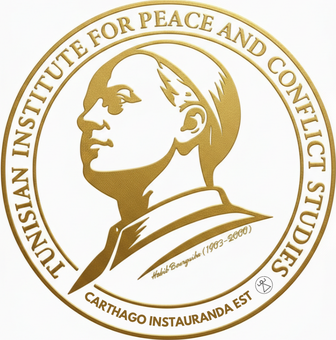
The medallion carries a name, a face, a cap, a motto and a sign. Here is how to read each part.
Reading the emblem
A logo is a promise made visible. TIPCS adopted this one to say where the institute comes from and what it is for: a young learner, a Carthaginian motto, a sign of wisdom and three languages.
1 · The ring
Tunisian Institute for Peace and Conflict Studies
The full name runs around the medallion, as on a coin or a seal: an institution that signs what it publishes.
2 · The portrait
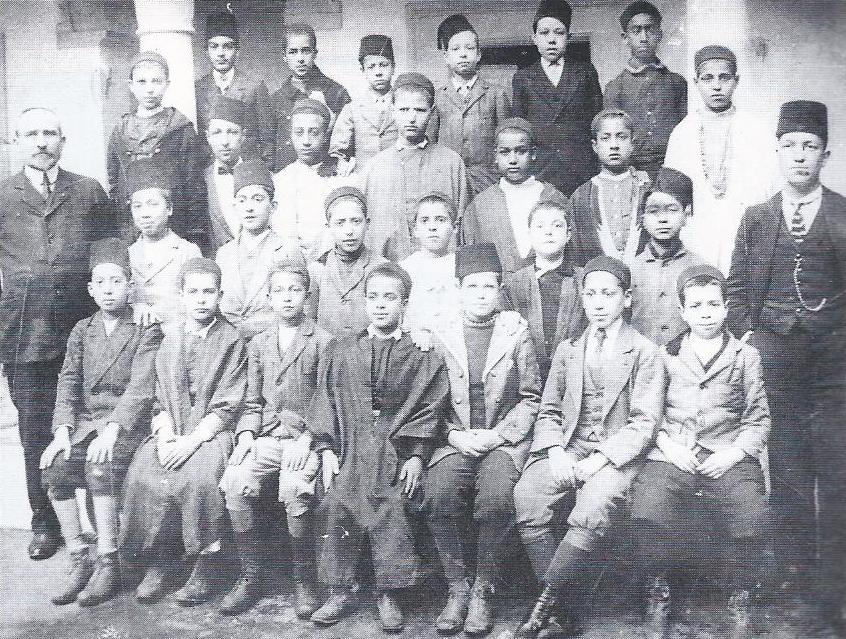
Habib Bourguiba as a young pupil
The medallion shows Habib Bourguiba (1903–2000) as a young student, not the statesman at the height of power. He later led Tunisia to independence in 1956 and became its first president. The choice honours the curious pupil who dreamed of a nation built on education, dignity and progress: perpetual learning in service of peace.
3 · The shashia
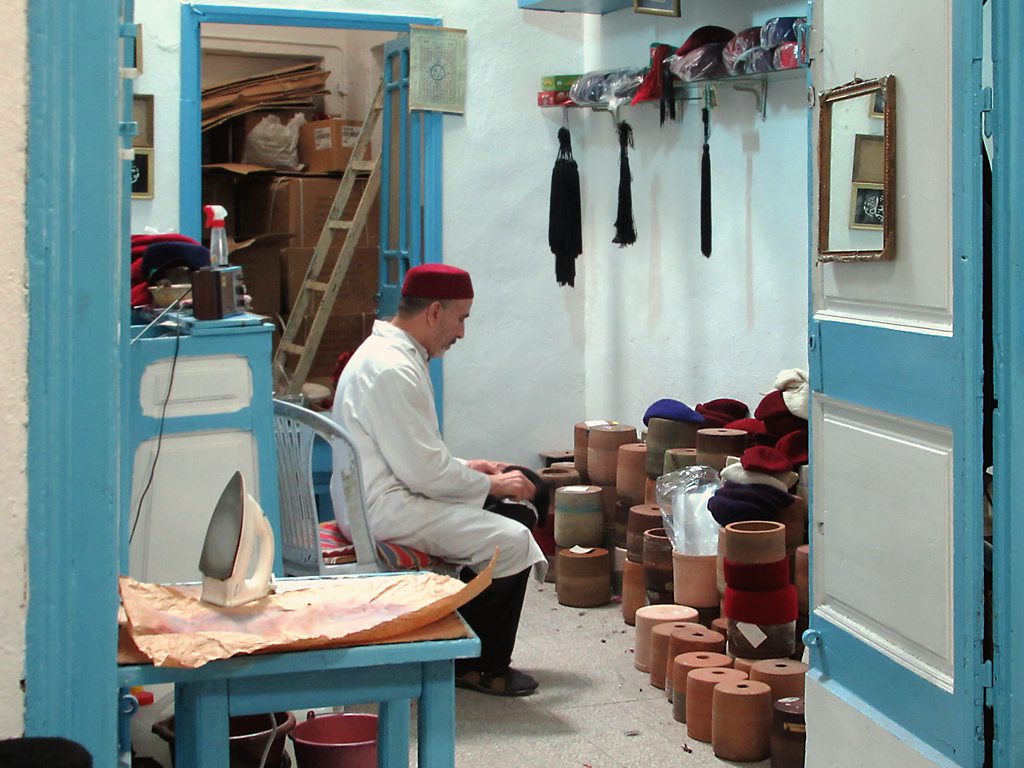
The traditional red cap
The portrait wears the shashia (chechia), the red felt cap that is a mark of Tunisian dress and a craft of the Tunis medina. It is a deliberate sign of belonging: the institute speaks from Tunisia, with Tunisian roots, to a Mediterranean and global audience.
4 · The motto
Carthago instauranda est
Latin for “Carthage must be restored” (or rebuilt). It answers Cato the Elder’s famous “Carthago delenda est”, “Carthage must be destroyed”: where Rome ended with destruction, the institute chooses reconstruction, a Mediterranean covenant to restore what conflict destroys.
5 · The Tanit sign
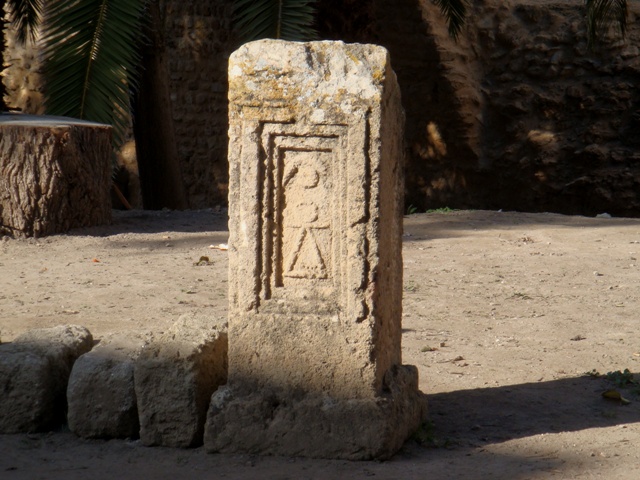
Tanit, a Carthaginian emblem
The sign of Tanit, a triangle topped by a bar and a disc, marks many Punic stelae from Carthage. Tanit was the principal goddess of Carthage; TIPCS reads the sign as a reminder that peace-building is both a science and a duty of care.
6 · Three languages
Arabic, French, English
The identity is trilingual, like the institute: Arabic, French and English, the bridges it builds between cultures. The name is carried in all three on the official documents and on this website.
- الإنشاء التونسي لدراسات السلام والصراع
- Institution Tunisienne pour les Études de la Paix et de Conflit
- Tunisian Institute for Peace and Conflict Studies
7 · The colour
One gold
A single gold, used across this website for accents. It recalls the mosaics and coins of ancient Carthage and keeps the mark sober.
Why Carthage
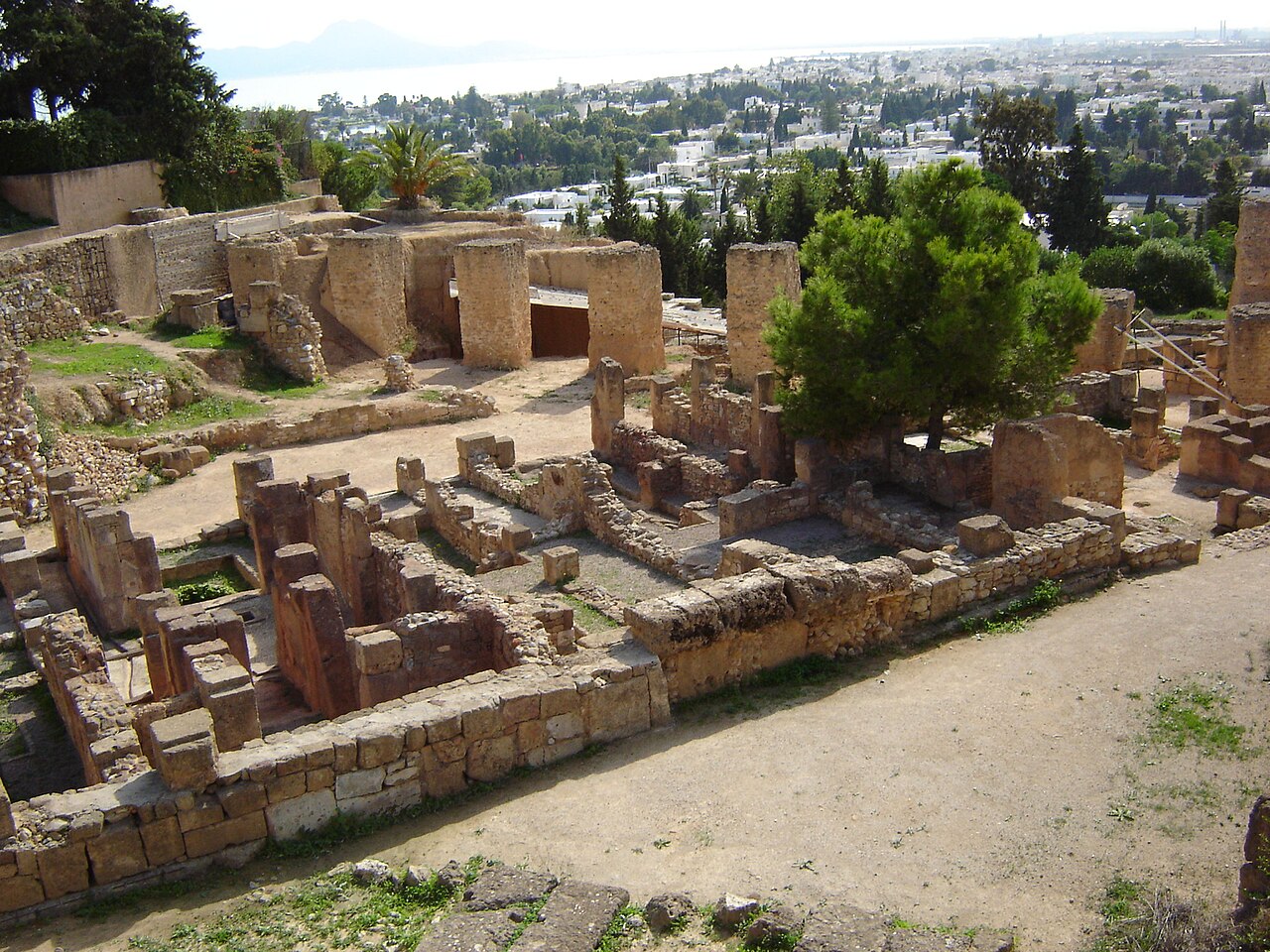
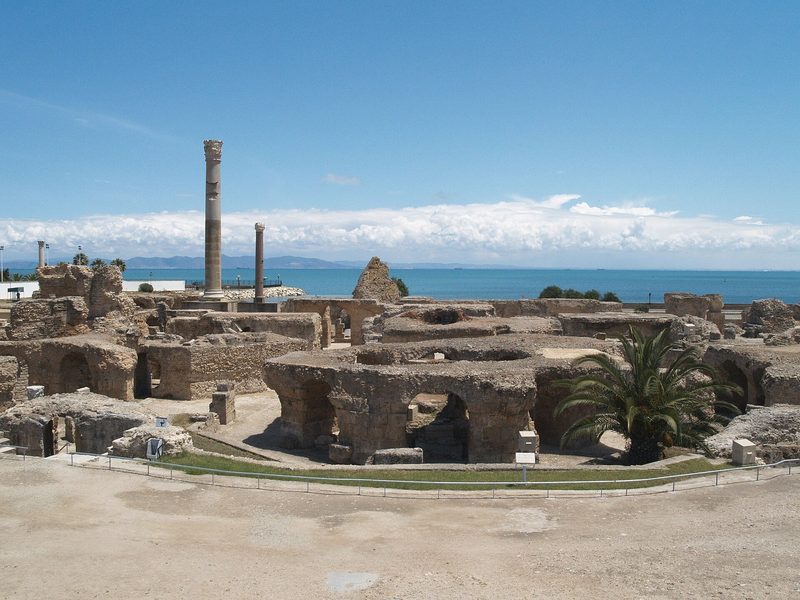
Carthage was a Mediterranean power of trade, diplomacy and ideas before Rome razed it in 146 BC. Its ruins, now a UNESCO World Heritage site, sit a few kilometres from Tunis.
TIPCS takes that long Mediterranean tradition of exchange and negotiation as its ground: peace built through institutions and patient dialogue, not imposed.
Using the logo
Download the logo and read the rules for press and partners on the Media page.
Sources
- Carthago delenda est (Wikipedia)
- Carthage (Wikipedia)
- Tanit (Wikipedia)
- Class photograph (Bourguiba) · Public domain · Wikimedia Commons
- Chechia craftsman, Tunis medina · CC BY 2.0, David Stanley · Wikimedia Commons
- Punic quarter, Byrsa hill · Public domain, BishkekRocks · Wikimedia Commons
- Punic stela with the sign of Tanit · CC BY-SA 4.0, Shoestring · Wikimedia Commons