A gathering under the sign of trust
AGA25 took place under the theme “Currently: Trust Building”. According to TIPCS’s own posts, it had three aims: to review 2024, to strengthen governance and to prepare the 2026–2030 period. The posts present the assembly as a regional platform for science, peace and Mediterranean dialogue, and describe TIPCS as an independent, non-partisan civil-society organisation.
Opening: the flag, the Board and the goals
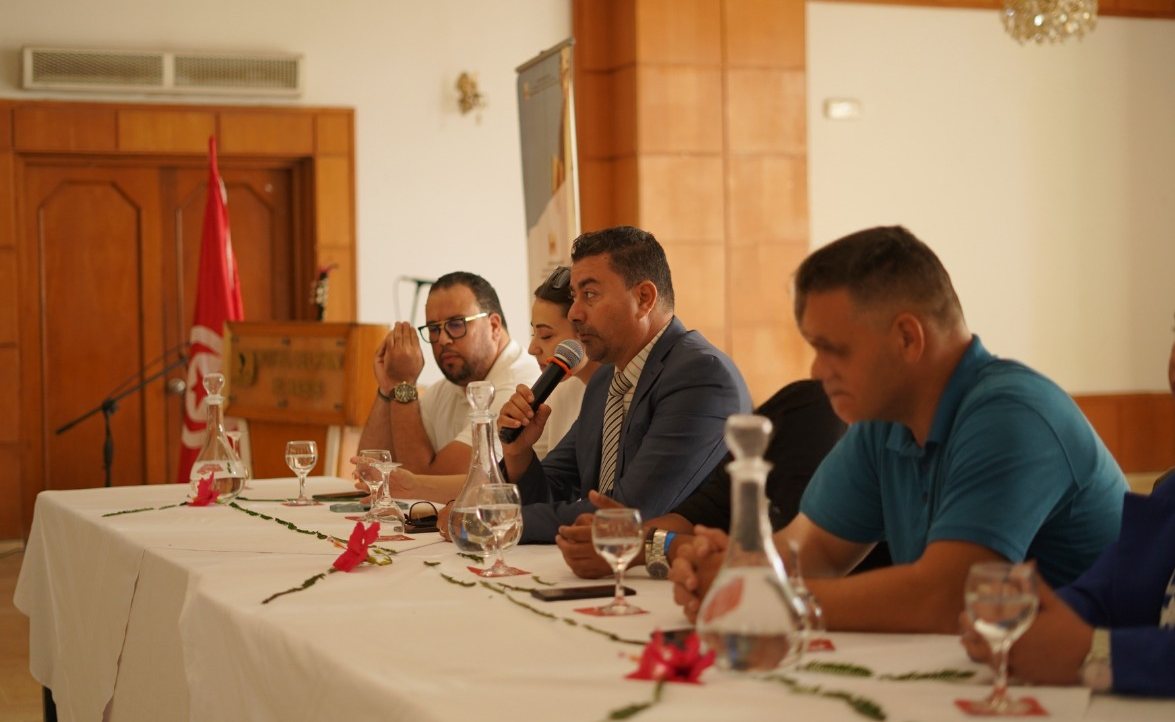
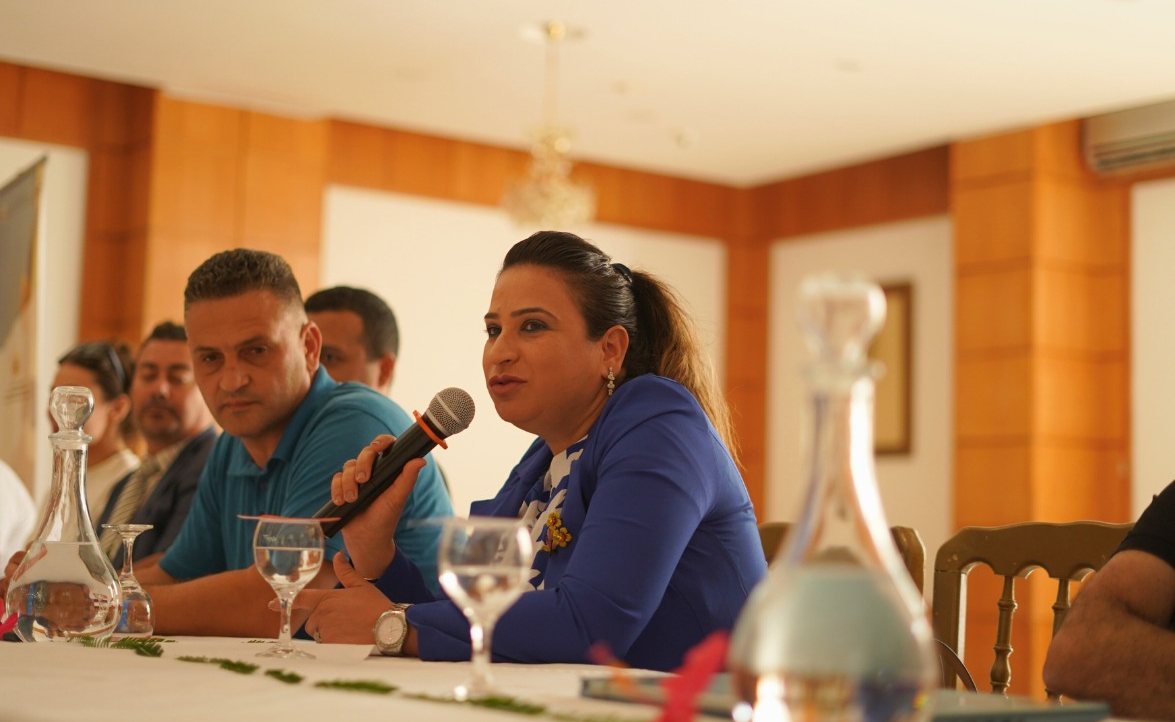
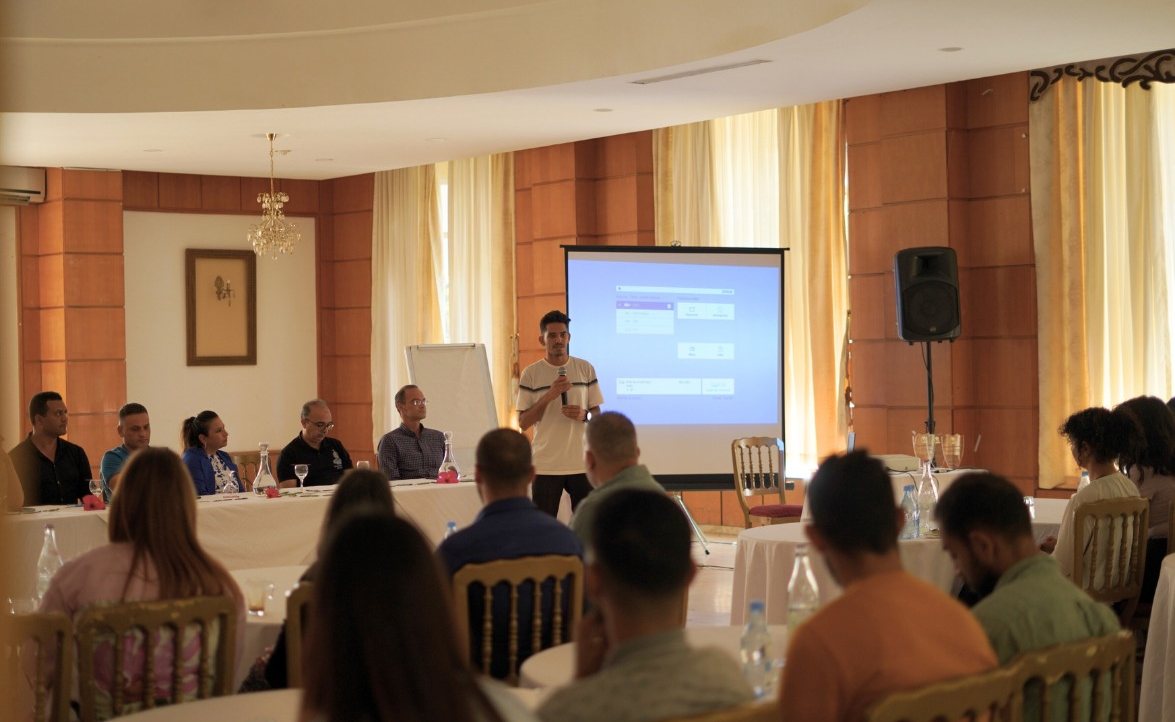
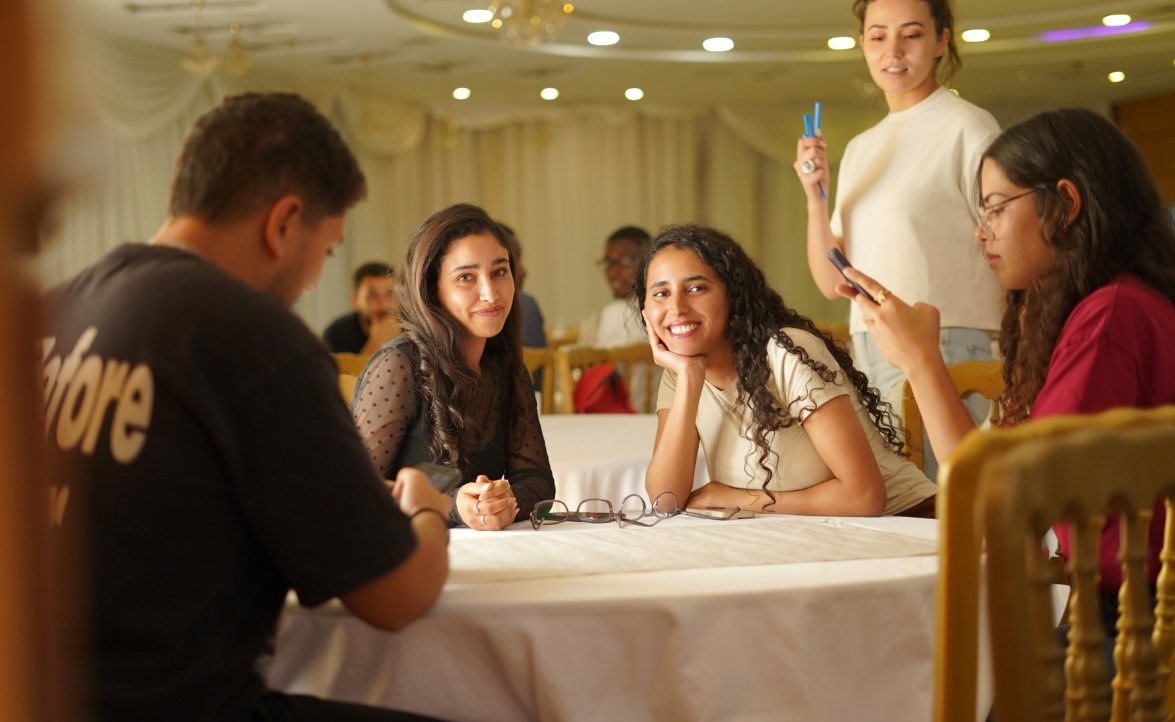
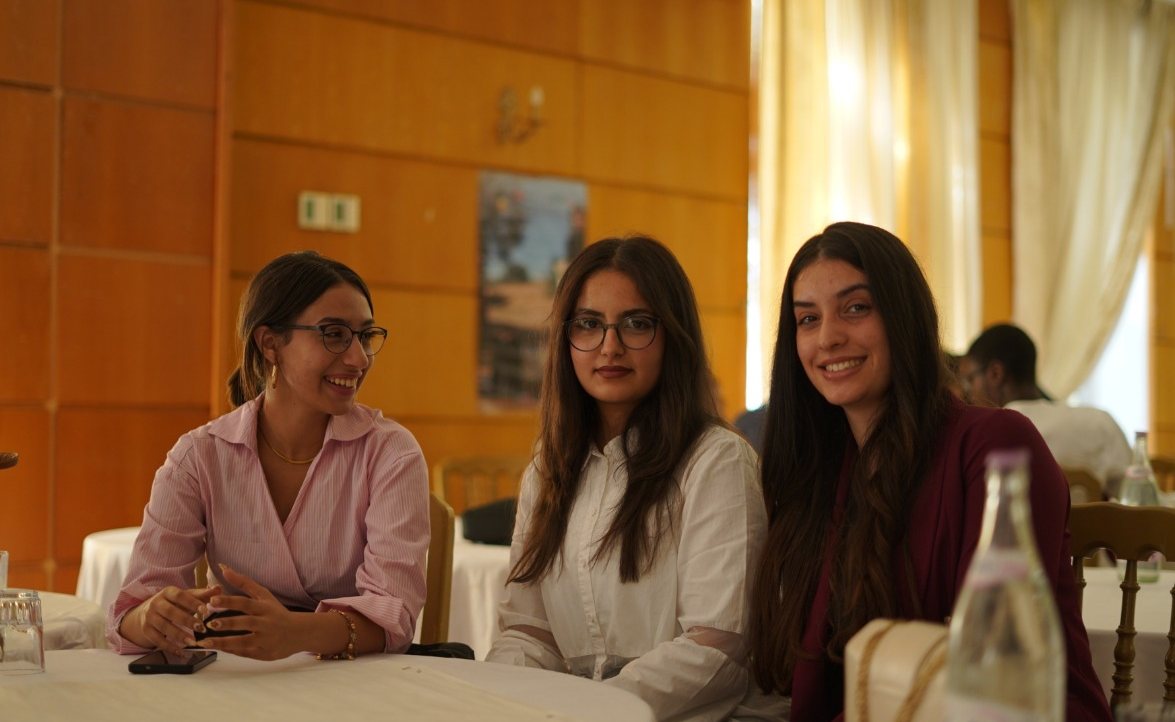
The assembly opened with the Tunisian flag and the national salute, the Board, staff, young people and partners standing together. The Board of Directors then presented itself to the room and set out the goals of the two days. The photographs show the Board seated at the head table beside the national flag, facing members, students and guests at round tables.
Accountability: the 2024 reports
Dr Mohsen Gharsallah, President, presented the 2024 narrative and financial reports in plenary to members and partners. According to the posts, the presentation covered the institute’s thematic work (conflict transformation, environmental conflict transformation, intergenerational dialogue and digital peace), its cooperation with universities and civil-society organisations, its monitoring and digitalisation with a zero-paper policy to reduce costs, and progress between January and October 2025 towards the 2026–2030 strategy.
The posts state that the reports were submitted to members for discussion and approval. The result of any vote is not stated in the public posts [to be completed from the minutes]. The programme figures for 2024 will be published here once they are confirmed against the signed Narrative Report.
“We show the work, the numbers, and the learning.”
Membership and mobilisation
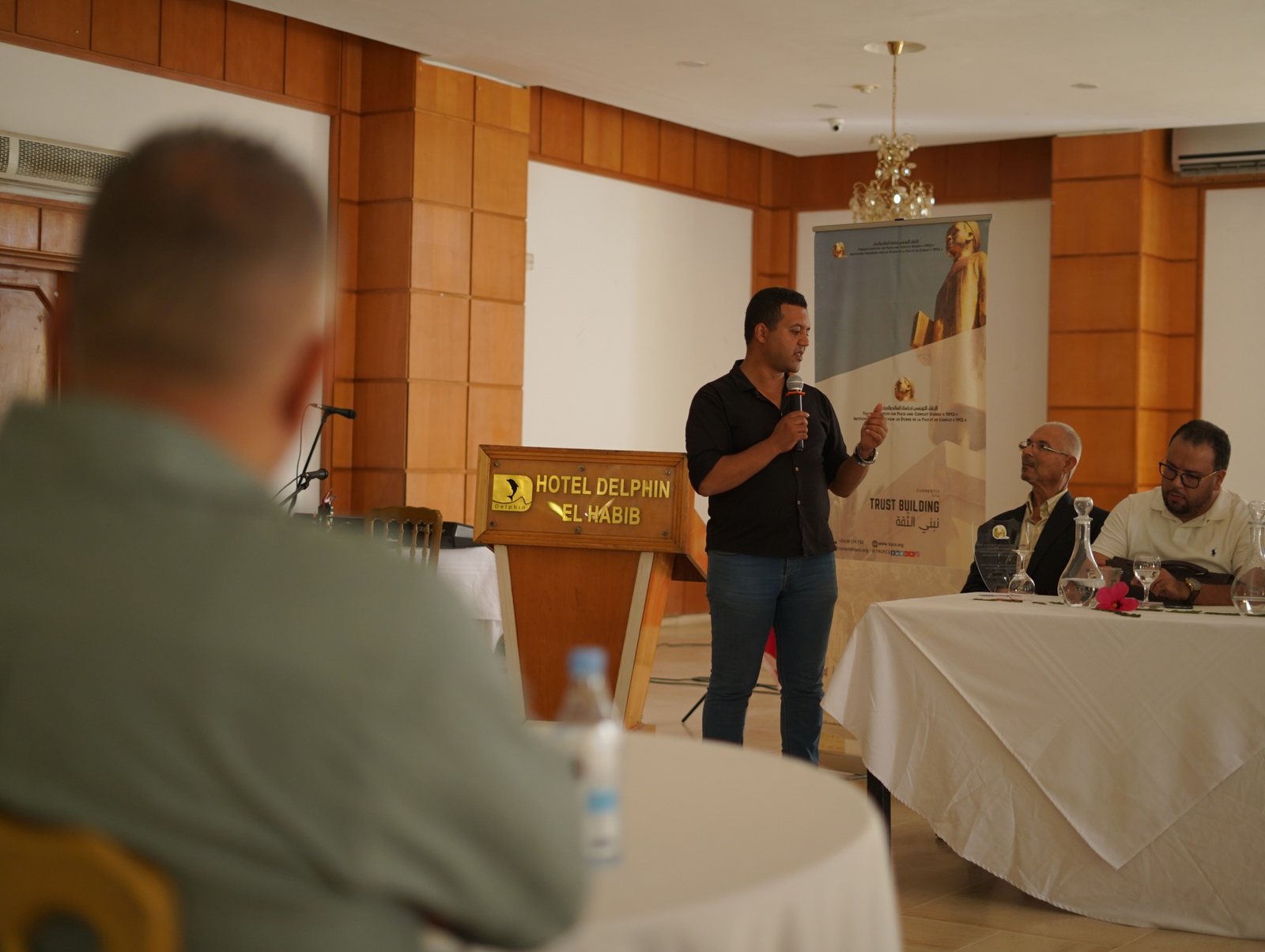
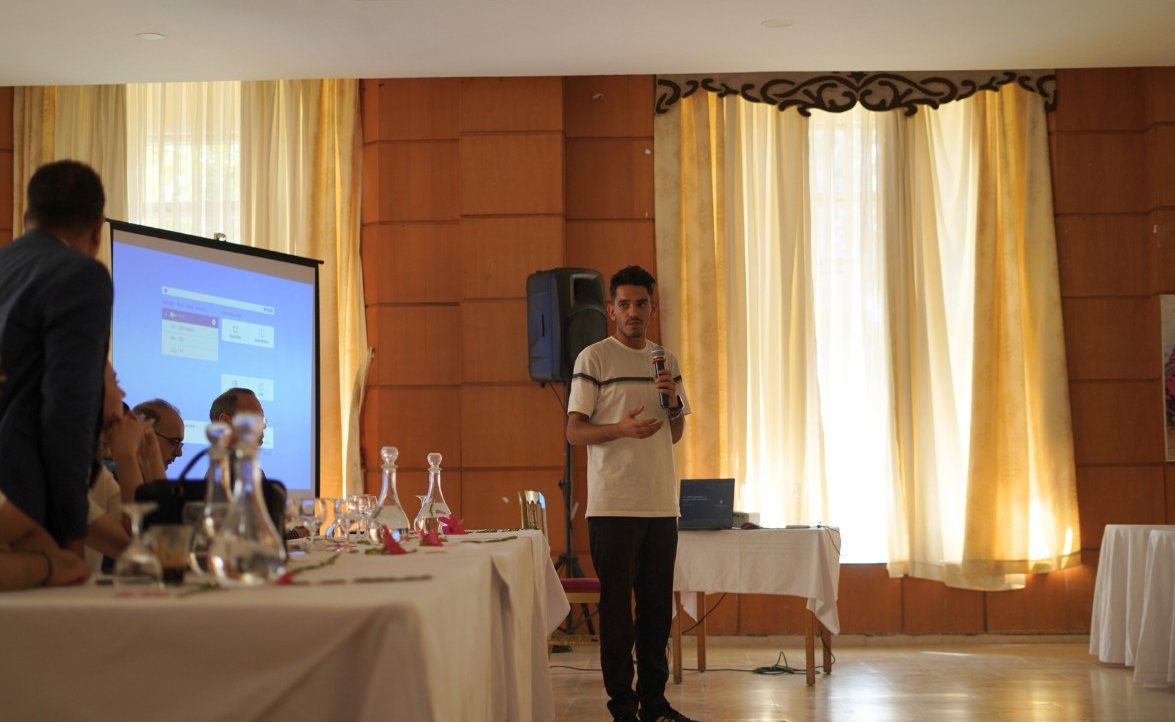
Mr Ziad Al-Asheq presented TIPCS’s youth and membership policy: a path from event participant to active member to field contributor, a special path for university students, clubs and young researchers, and engagement tracks in youth, research, community peace and communication. He explained that members can access trainings in conflict transformation, environmental conflict transformation and digital peace, described the Youth Peace Ambassadors network, and set out how mobilisation runs through the Monastir, Marsa and Djerba offices and the Environmental Studies Department.
The session also invited universities and civil-society organisations to connect their students to TIPCS’s offers, and pointed members to documentation, events and field missions as ways to stay engaged after the assembly.
Guest speakers: culture, peace and technology
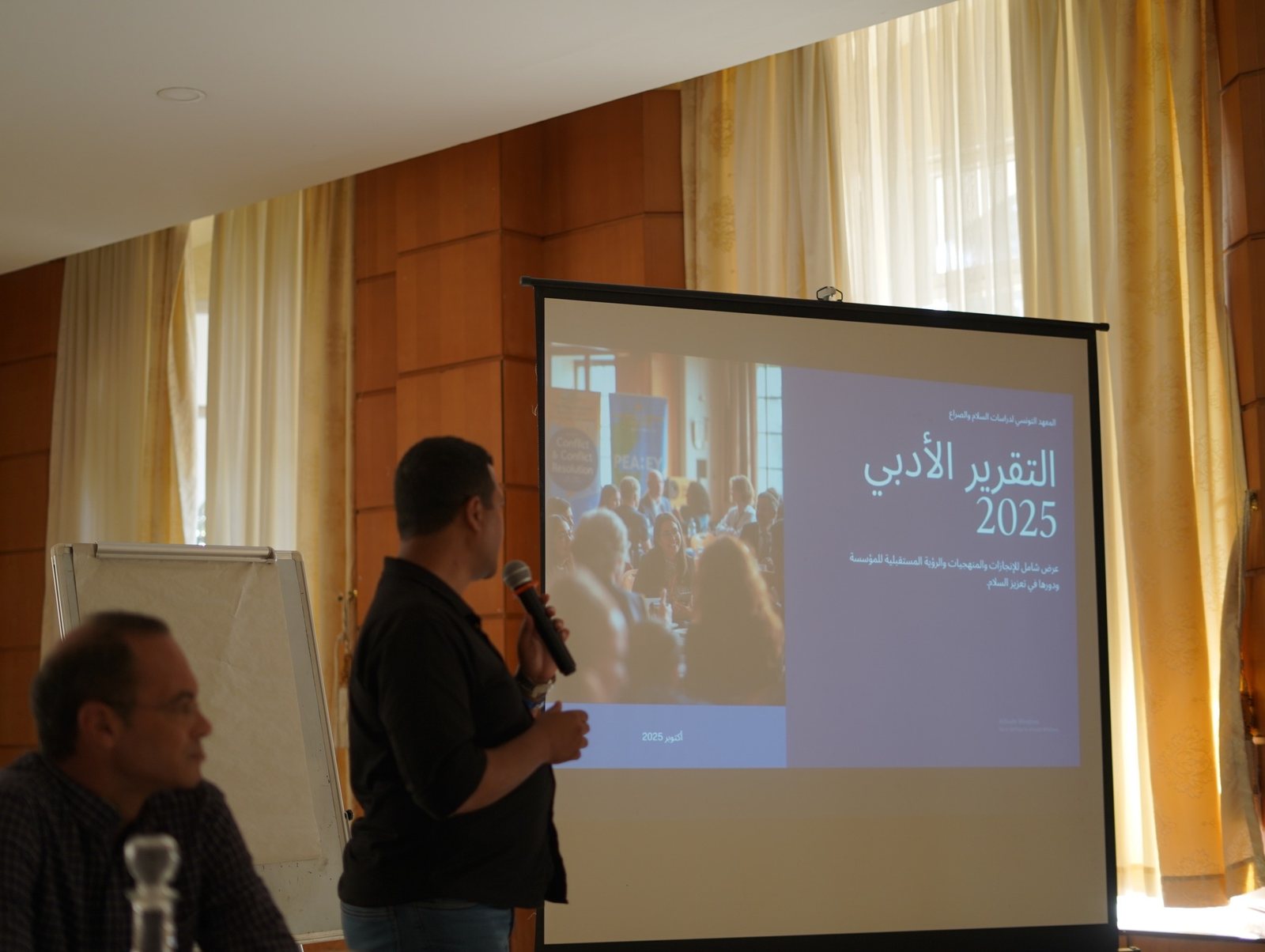
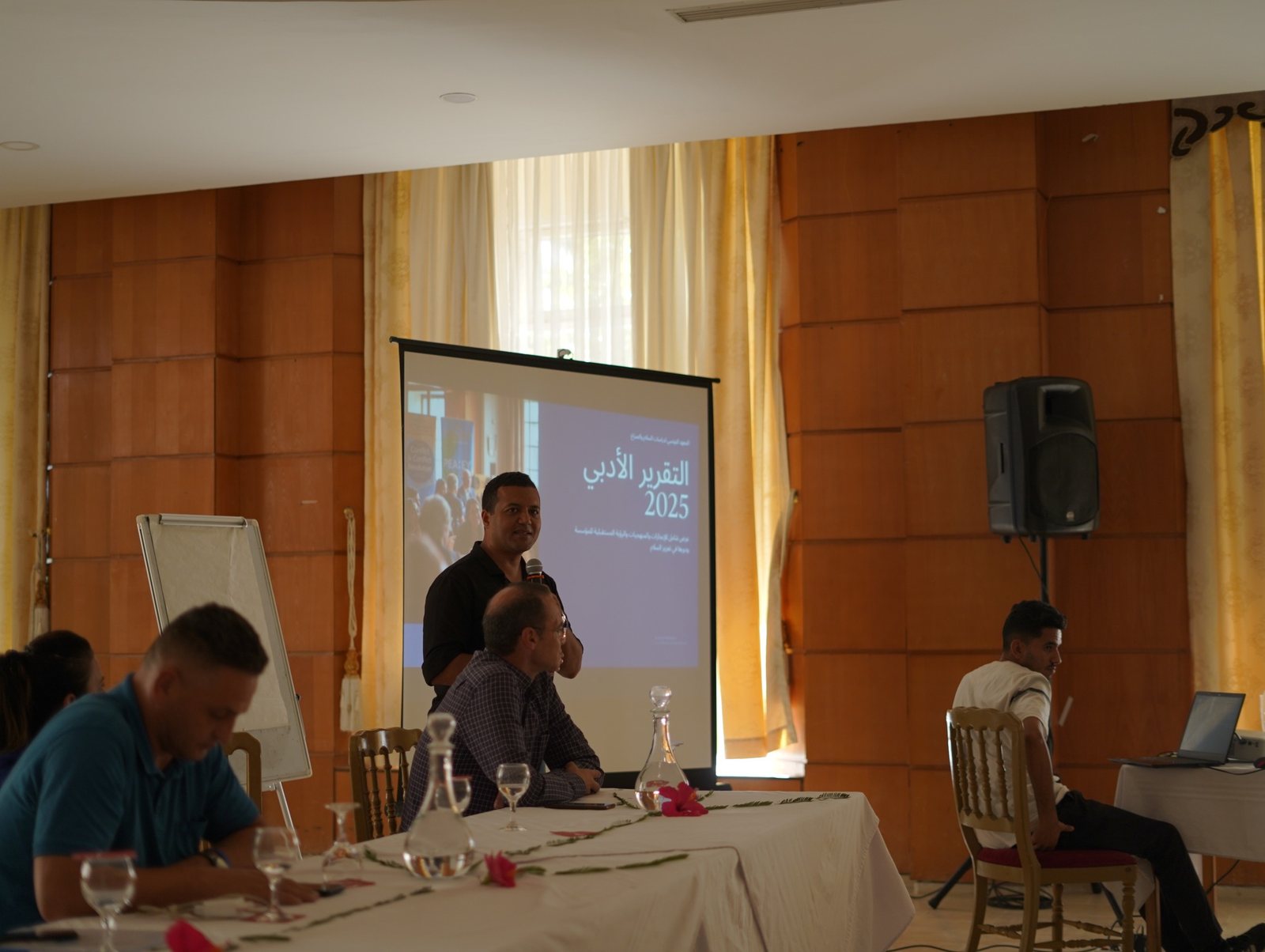
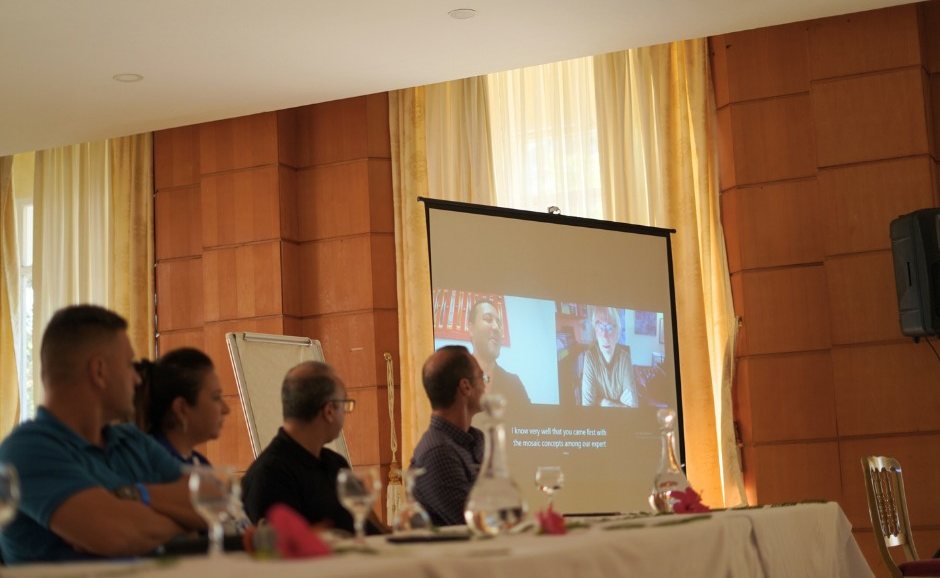
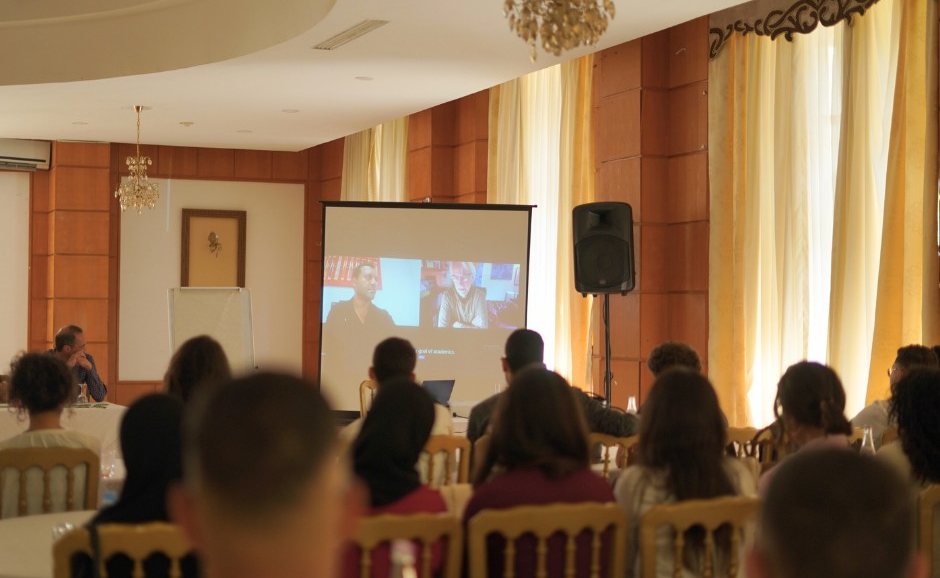
Prof. Oliver Richmond of the University of Manchester presented the UNESCO Culture for Peace report, co-authored with Dr Mohsen Gharsallah and used as an orientation note at MONDIACULT 2025. His message, as TIPCS reported it, was that culture is not decoration but an entry point to conflict transformation, and that global peace approaches need adapting to Mediterranean and North African realities.
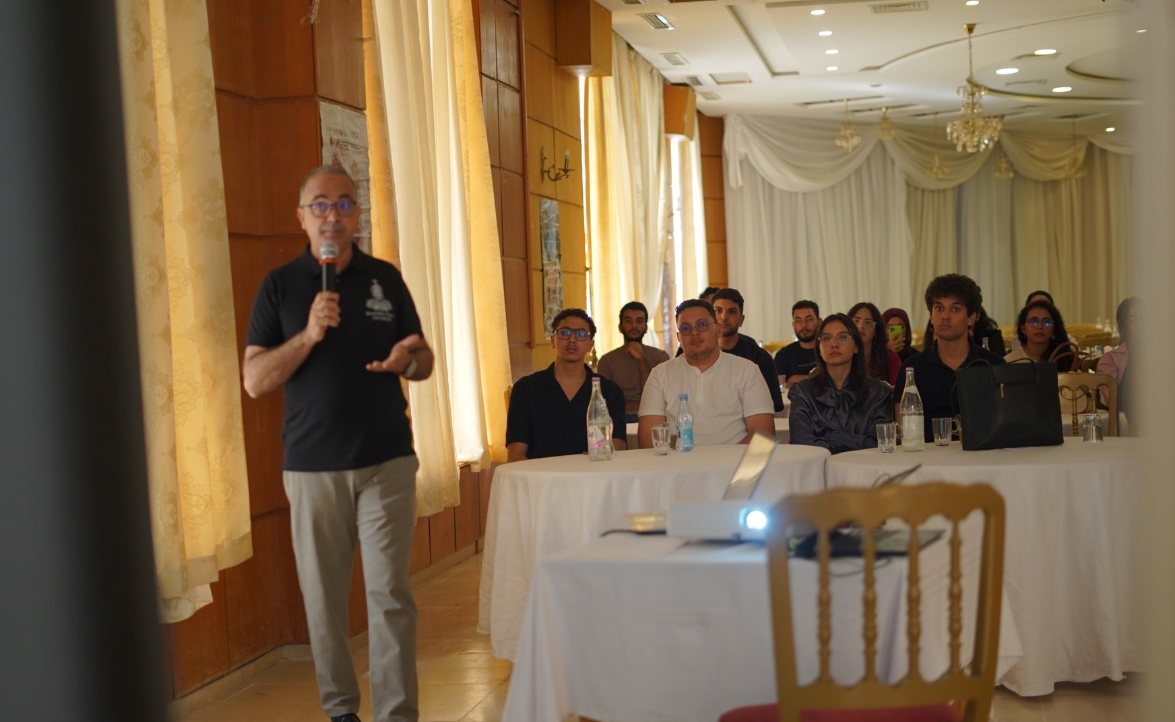
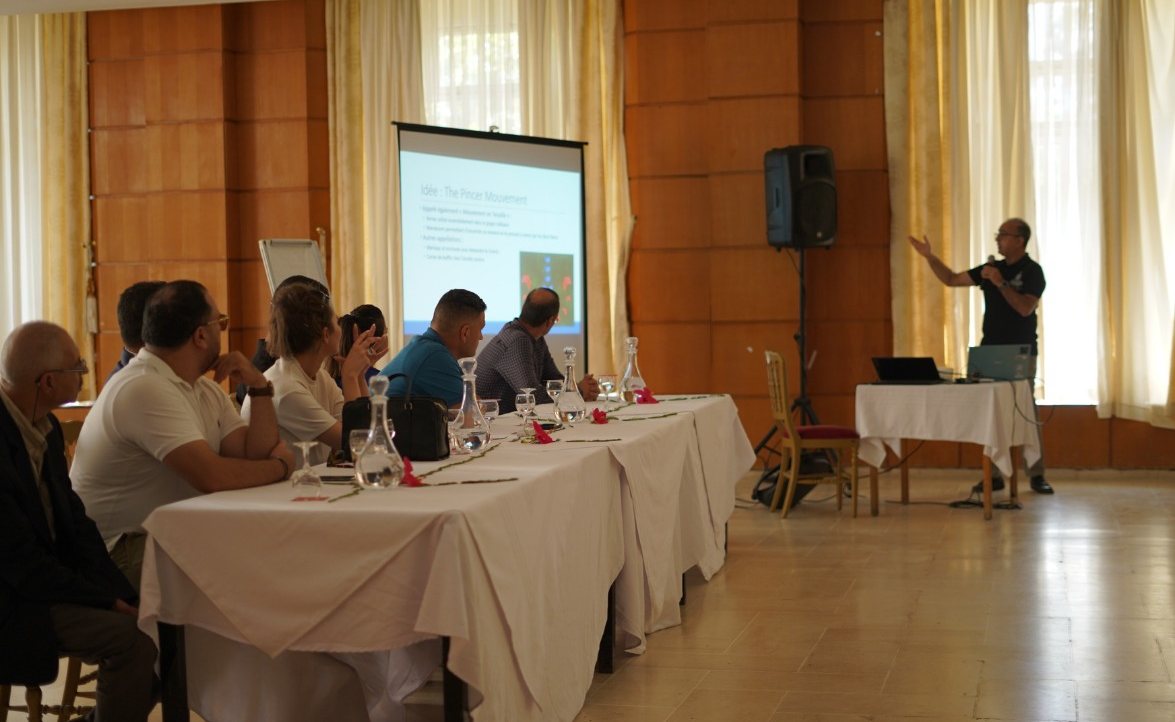
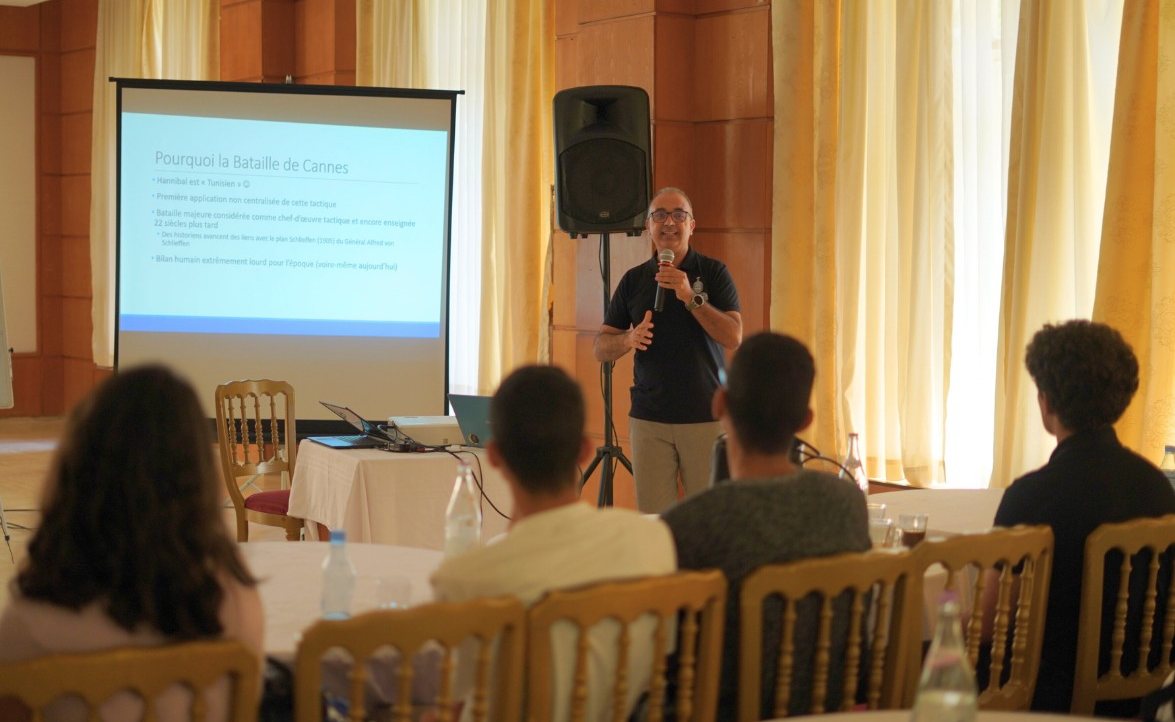
Prof. Ouajdi Korbaa, Vice-President of the University of Sousse, presented the Hannibal Barca Optimizer (HBO), an algorithm inspired by Carthaginian strategy, as an example of technology serving dialogue rather than division. Civil-society organisations, universities, young people and donors followed the session together.
Youth focus groups for the 2026–2030 strategy
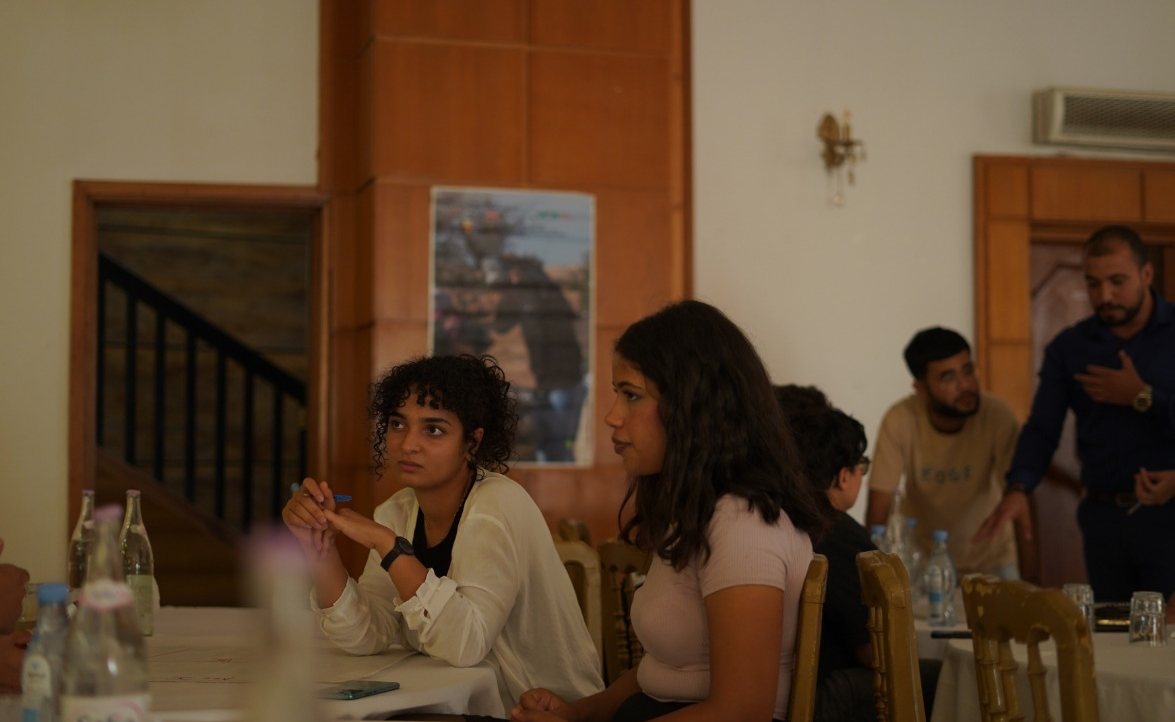
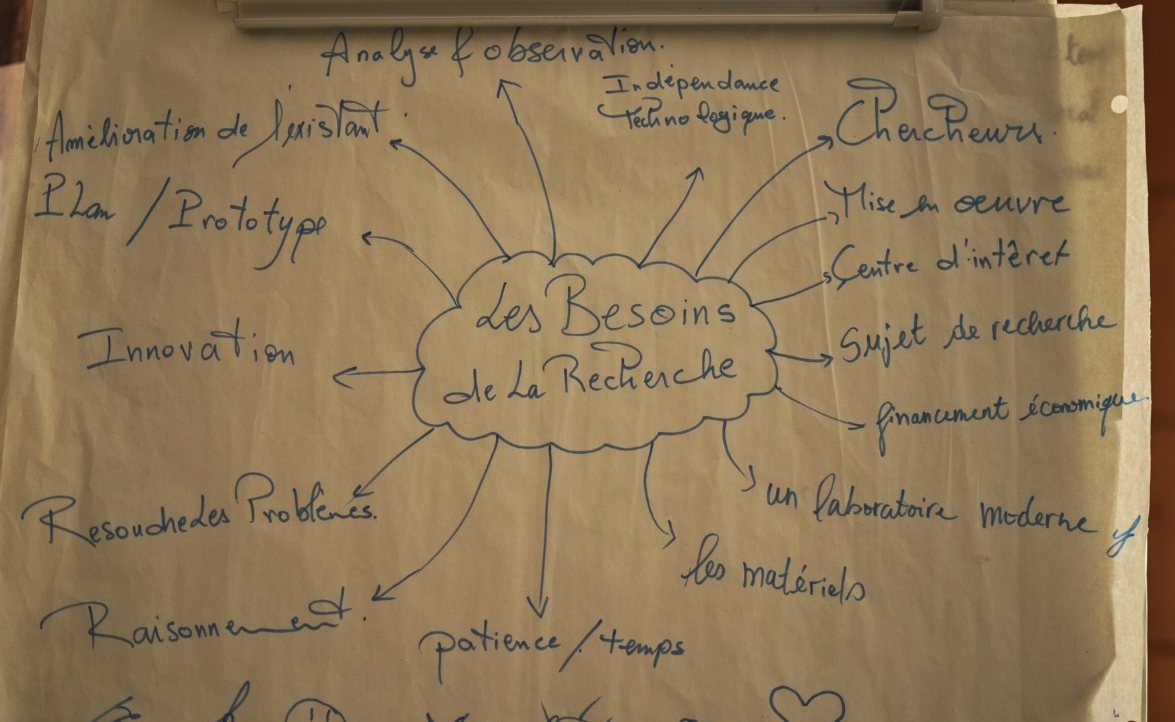
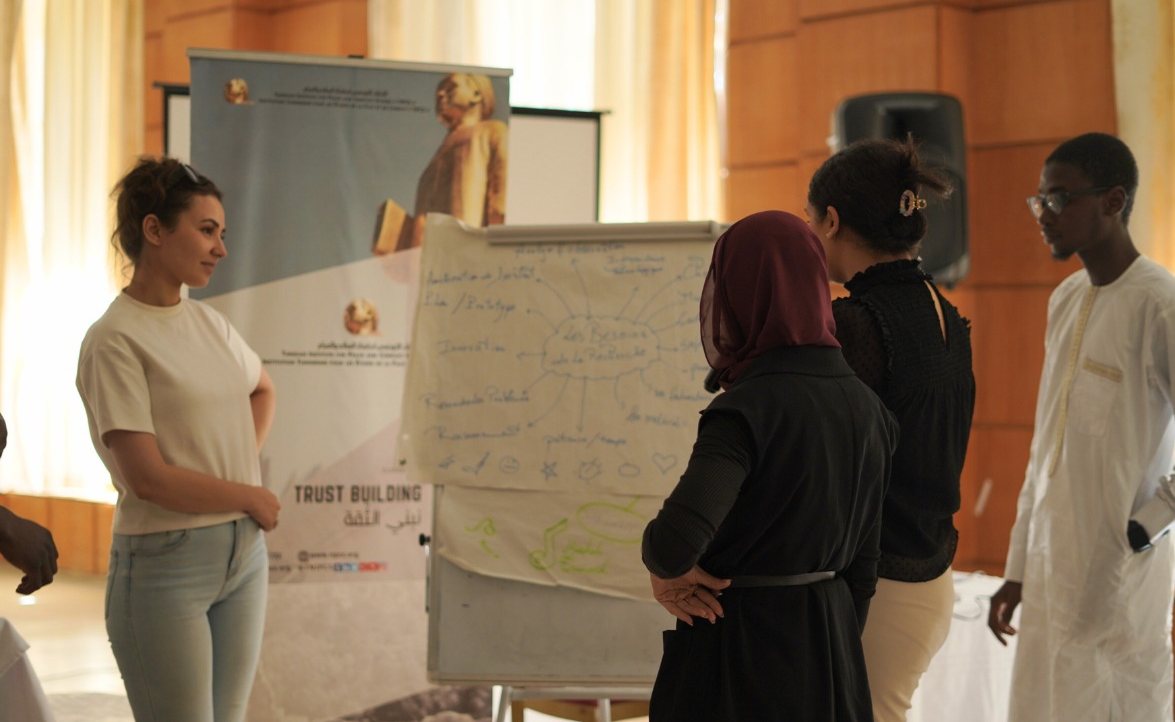
During the assembly, Dr Ghada Abdelbari and Dr Walid Wardi, of ISAM Kasserine, opened youth focus groups whose stated aims were to listen, map priorities and co-design solutions. After an art-based icebreaker, students listed barriers to participation and quick wins, discussed girls’ safety, access and leadership, mapped climate stress points and proposed environmental-conflict micro-actions, and sketched ideas for dialogue apps, campus media labs and moderation tools. Students also exchanged with faculty to bridge perspectives, and designed simple, mobile, zero-paper ways of tracking results.
Youth leaders present the outcomes, and the closing
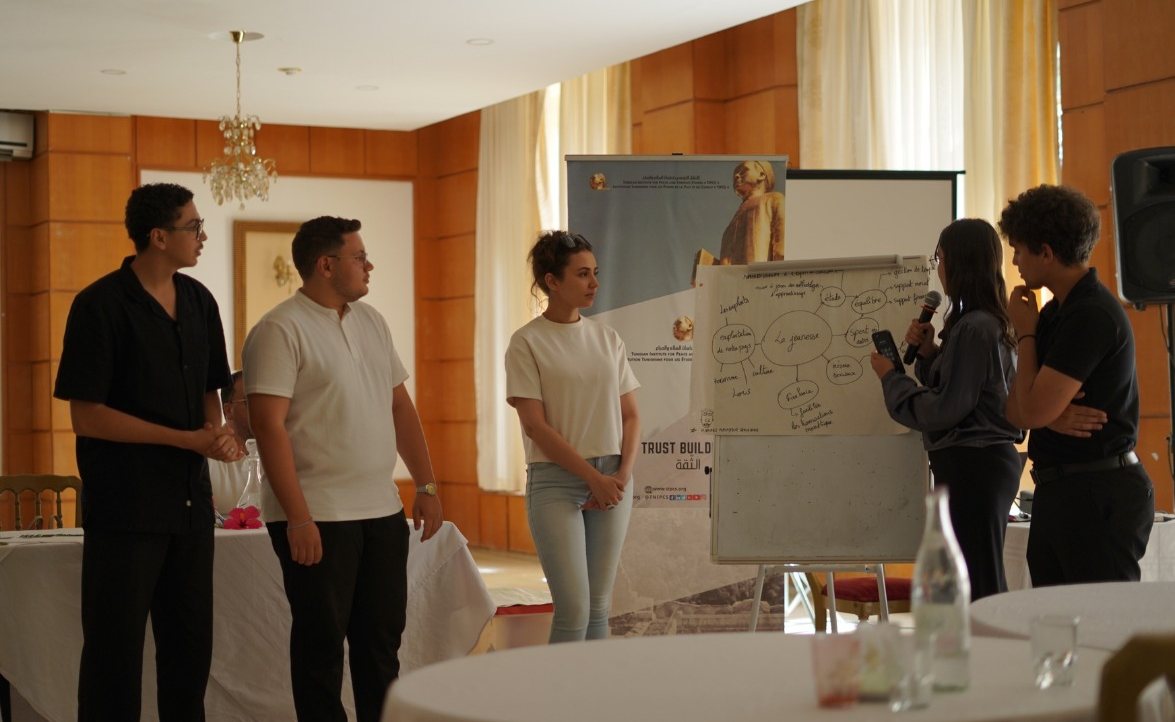
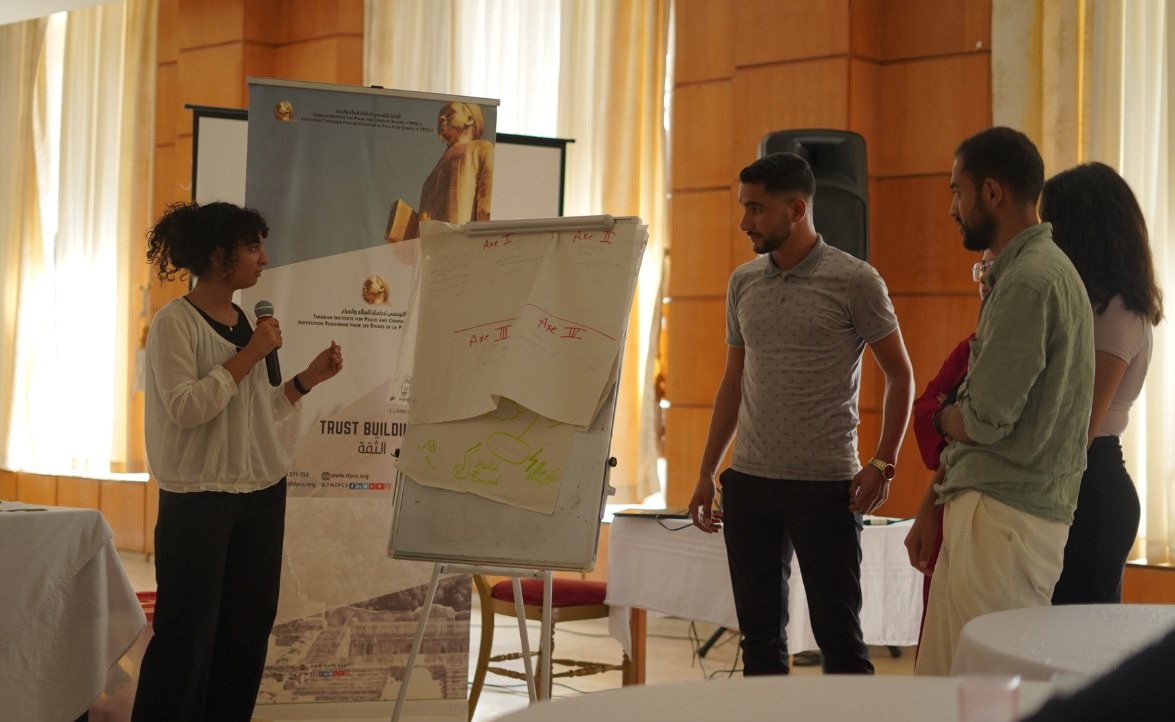
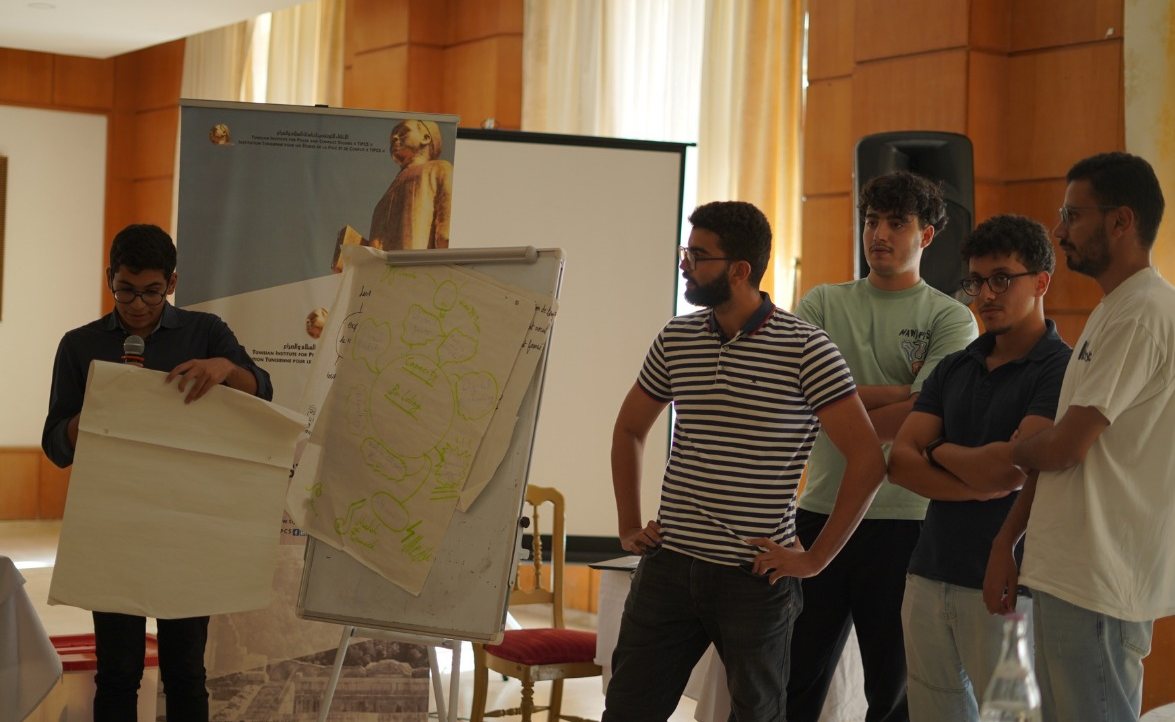
Each group then reported to the whole room on flip-chart maps, naming participation, safety and opportunity as the needs they had identified, and drafting recommendations for campuses and municipal councils. The top actions voted by the students were support for clubs, pilots in environmental conflict transformation and digital challenges. For 2026 they proposed dialogue labs, two field tests and an annual digital peace challenge. These are proposals from the focus groups; they are not yet adopted programmes.
In its closing message, TIPCS thanked its Tunisian and Mediterranean partners and universities, and affirmed that Tunisia is a home for regional dialogue under the theme “Currently: Trust Building”.
What AGA25 shows about TIPCS’s governance
The General Assembly is the supreme body of the association, where members hear the reports and guide the institute. AGA25 shows this practice at work in four ways. The Board presented itself in public before the members. The narrative and financial reports of the previous year were presented in plenary and, according to the posts, submitted to members for discussion and approval. Students, faculty and partner institutions were consulted on the next five-year strategy through structured focus groups, with their priorities put to a vote among the students. And the proceedings were documented in dated public albums, which are the basis of this page.
Members and partner institutions who wish to take part in the next assemblies can use the membership tracks presented at AGA25: see the membership page, or write to Contact@tipcs.org. The next assembly is AGA26, on 28 November 2026.
Governance and legal frame
Under Decree-Law 2011-88 of 24 September 2011 on associations, the General Assembly is the supreme body of the association. AGA25 is documented on this page by TIPCS’s dated public albums of 2 and 3 November 2025, which show the Board, the plenary reports and the sessions.
What the Decree-Law asks of the records: accounts are kept (article 39) and registers are held (article 40); documents are kept for ten years (article 42); foreign funding is made public within one month of the decision or receipt (article 41); changes to the statutes are notified within one month and made public (article 16); conflicts of interest of members and staff are governed by article 18. Where an auditor is required (article 43: above 100,000 TND, appointed by the ordinary General Assembly for three years), the financial statements and the audit report are published within one month of their approval.
Still to be deposited with this page: the minutes of the assembly, the attendance sheet, the signed 2024 narrative and financial reports and the resolutions. Until they are added, this page states no vote result and no figure that those documents have not yet confirmed.
Photographs come from TIPCS’s public albums. Personal data are handled under Organic Law 2004-63; anyone shown who wants a photograph removed can write to Contact@tipcs.org. This summary is not legal advice and has not been reviewed by counsel.