Context and why it matters
The Annual General Meeting is where TIPCS’s members, and not its staff or its Board, have the last word: they receive the accounts of the year, choose or renew those who govern, and set the course ahead. Under Tunisian law the General Assembly is the supreme body of an association. TIPCS describes the 2024 meeting as a milestone in its institutional journey and as democratic governance in action. It took place at the Regency Hotel and Spa in Monastir.
The date needs care. TIPCS’s album was posted on 8 February 2025 and says the meeting was held “today”. The caption band printed on the photographs reads 26 October 2024 and calls the meeting the Elective Annual General Assembly 2024. The two do not match, and the exact date is to be confirmed from the minutes. This page is compiled from the single public album of 34 photographs published by the Tunisian Institute for Peace and Conflict Studies (TIPCS).
The meeting and its programme
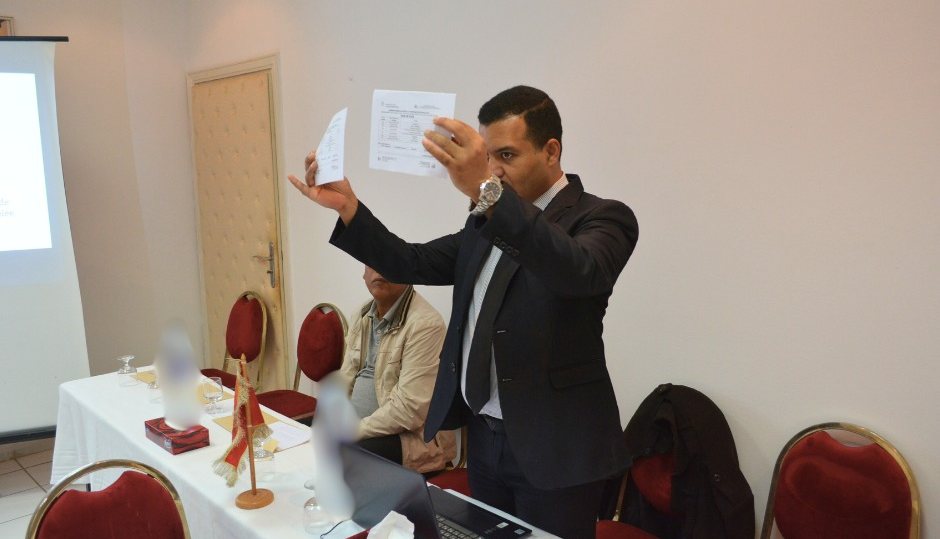
According to TIPCS’s post, the meeting covered five items: a review of the 2023 achievements, the validation of the financial report, the election of new Board members, the adoption of an action plan for 2024–2025 and strategic discussions on TIPCS’s future directions. The order and timing of the items are not stated. One photograph shows a speaker beside a projection screen with a slide headed “Types de vote”, whose text appears to distinguish voting by show of hands from secret ballot on request [to be confirmed from the presentation file]. In another, a speaker holds up a sheet of paper to the room.
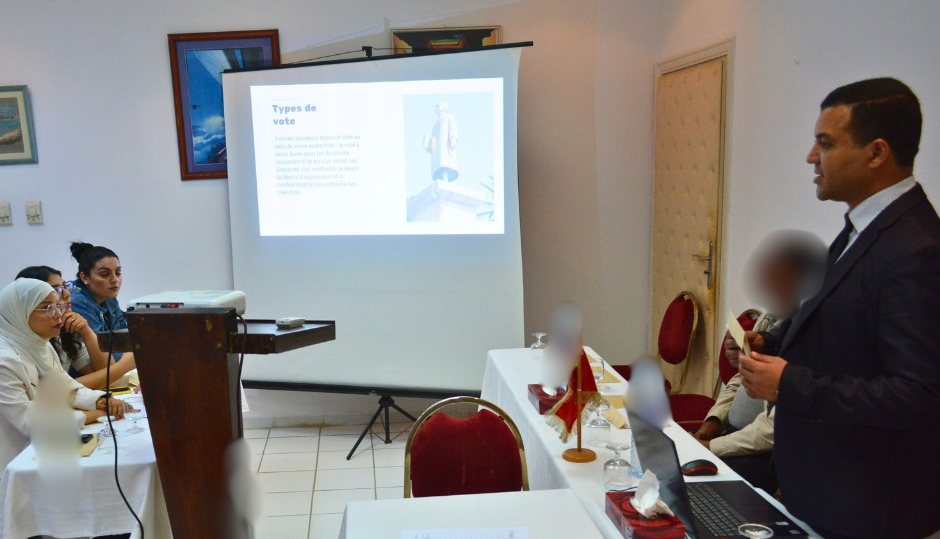
A speaker beside a projection screen showing a slide headed “Types de vote”
Review of 2023 and the financial report
TIPCS’s post summarises the year 2023 under four headings: regional peace initiatives, wider partnerships around the Mediterranean, the digital transformation of its operations and greater youth engagement in peacebuilding. That is TIPCS’s own summary; no figures are given here, and the supporting detail belongs to the narrative report. The post adds that the financial report was validated. The reports themselves and the vote on them are not shown in the album. [Report texts and the vote are to be completed from the minutes.]
Discussion and participation
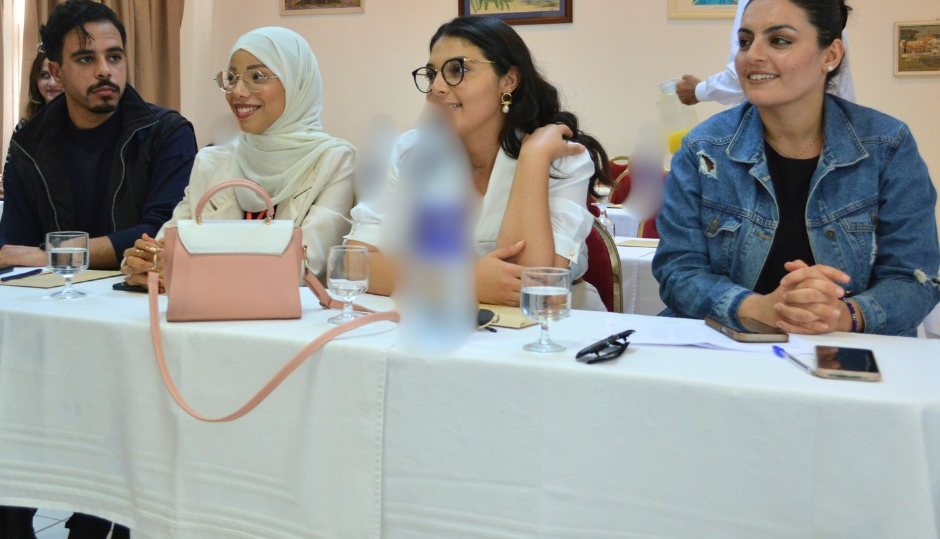
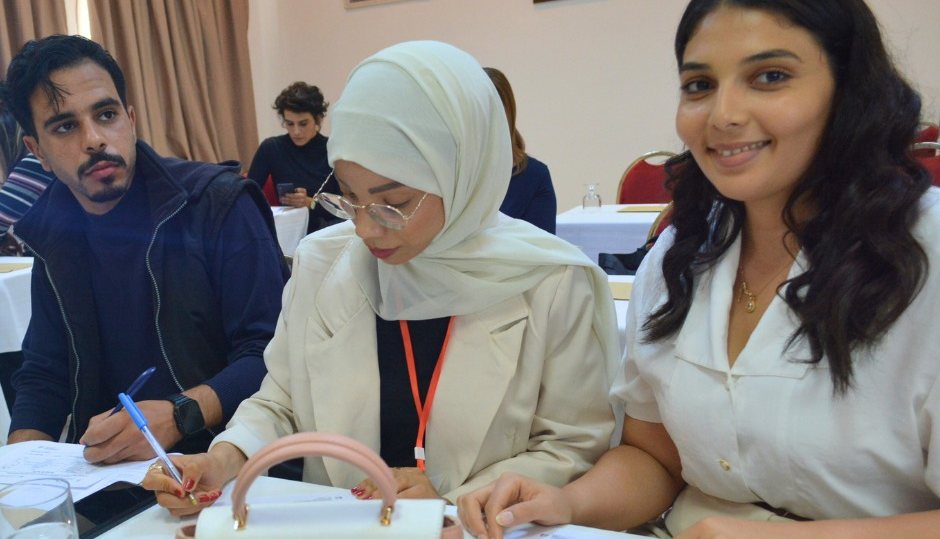
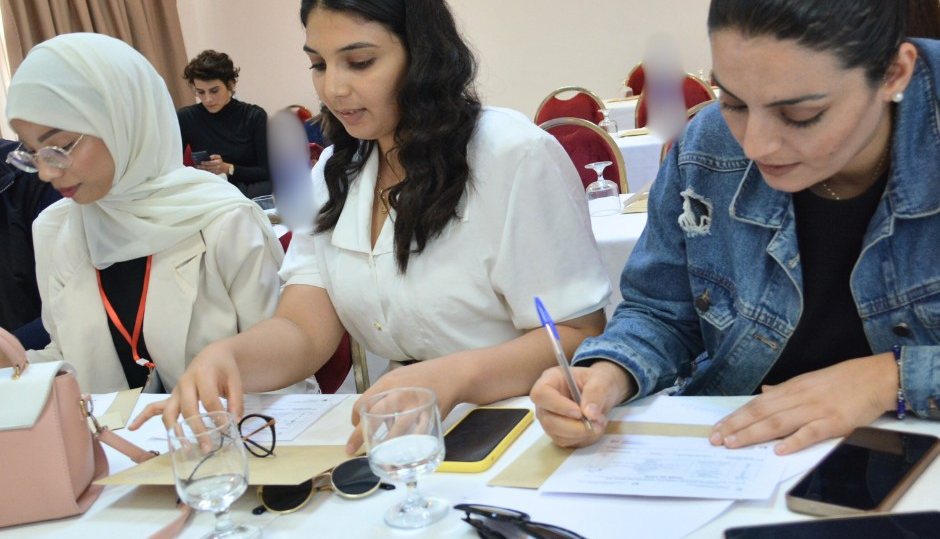
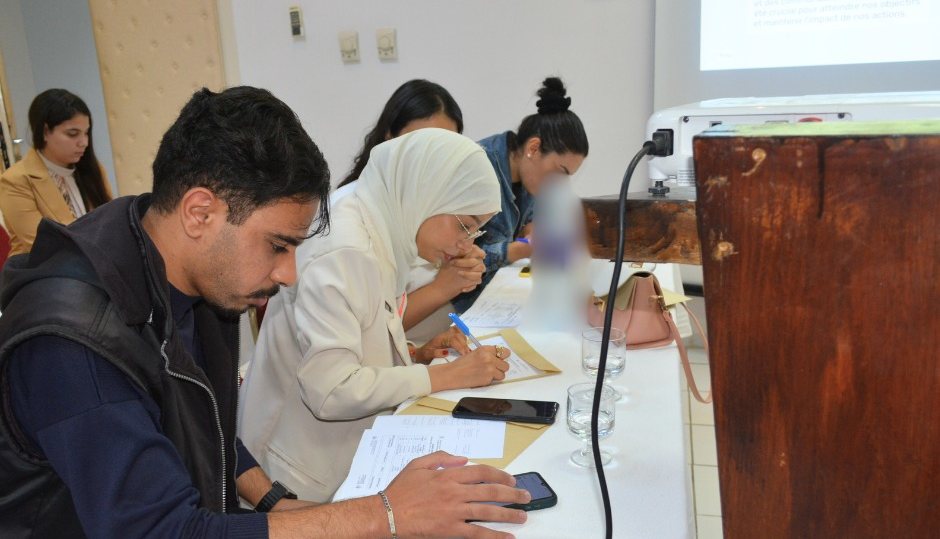
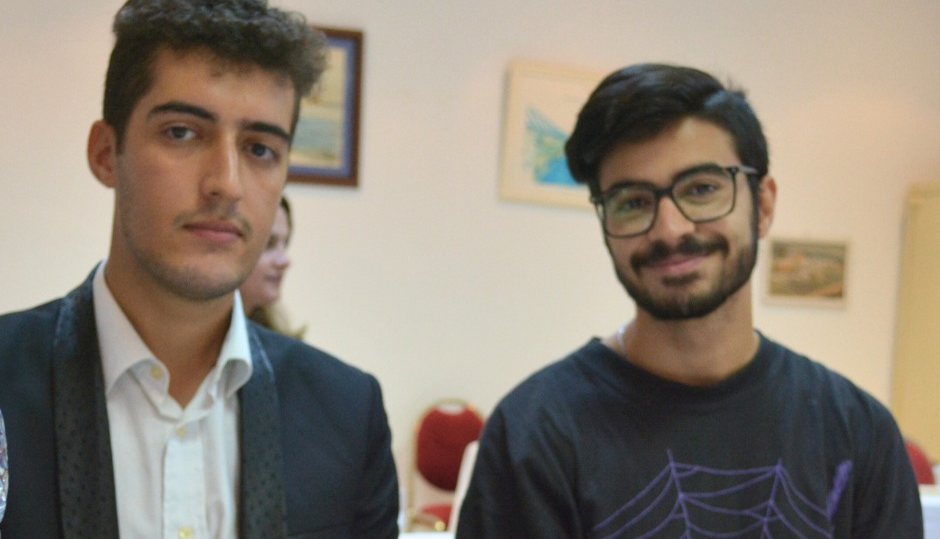
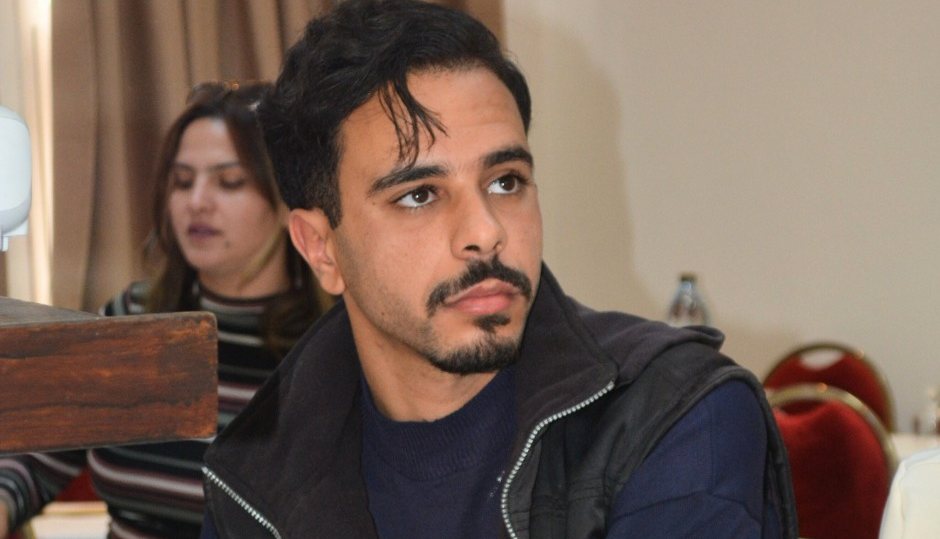
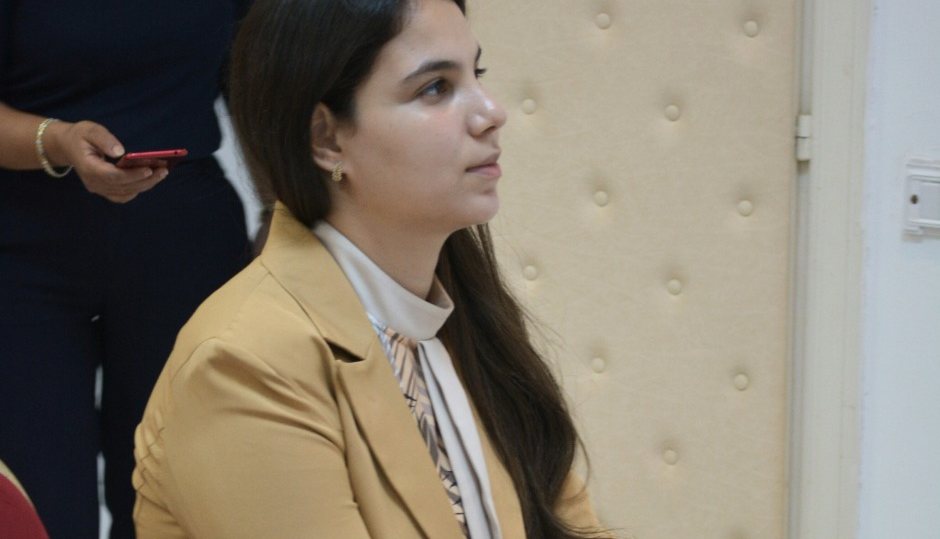
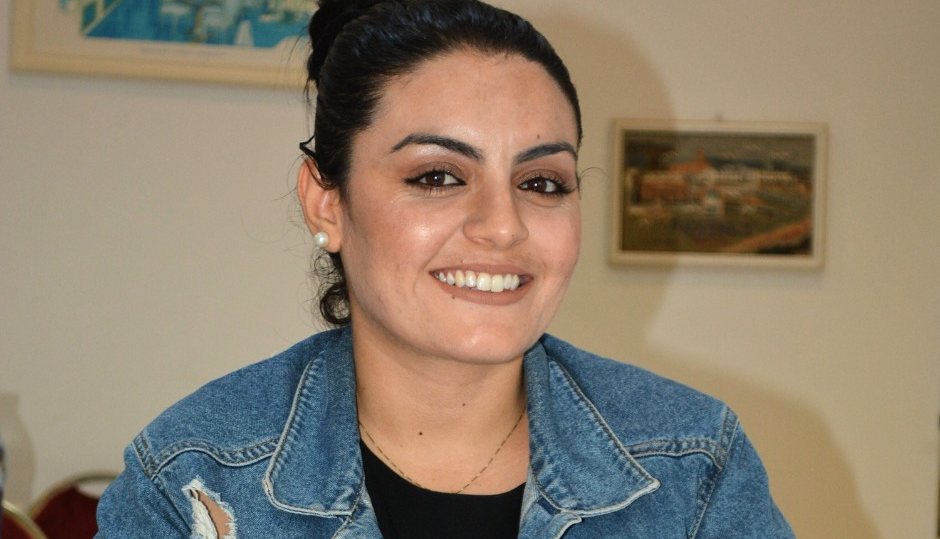
The post speaks of constructive dialogue and engaged discussions. The photographs show members seated at tables, writing on forms, listening and smiling to the camera. No speaker is named in the public post and the content of the discussion is not recorded. [To be completed from the minutes.]
The election of new Board members
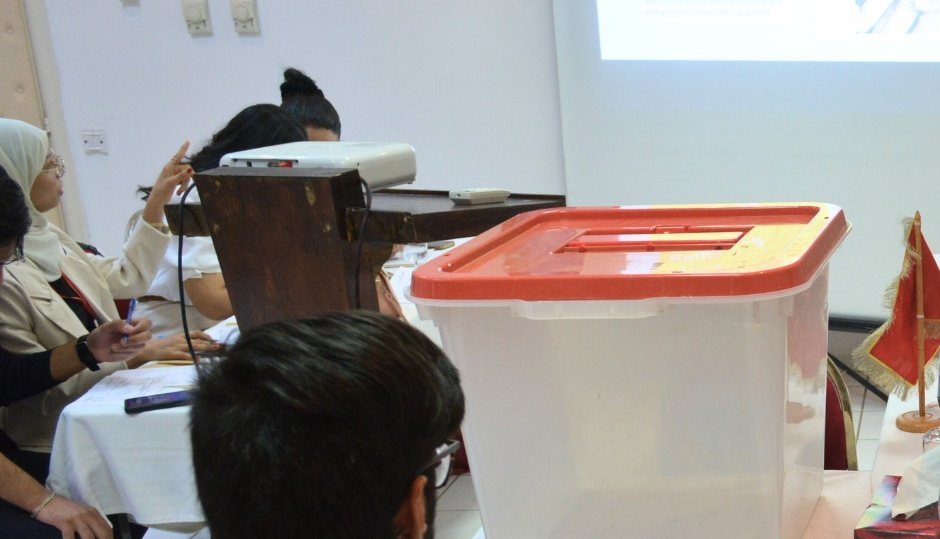
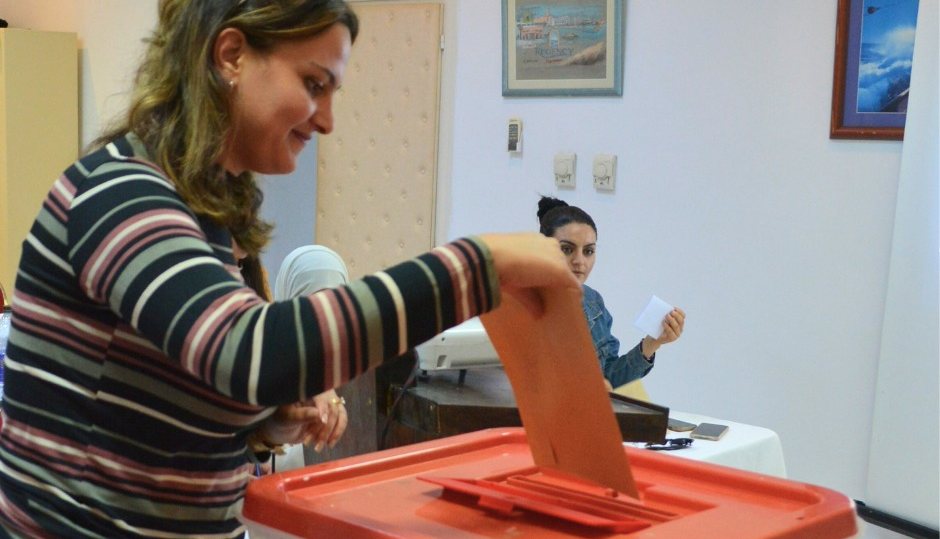
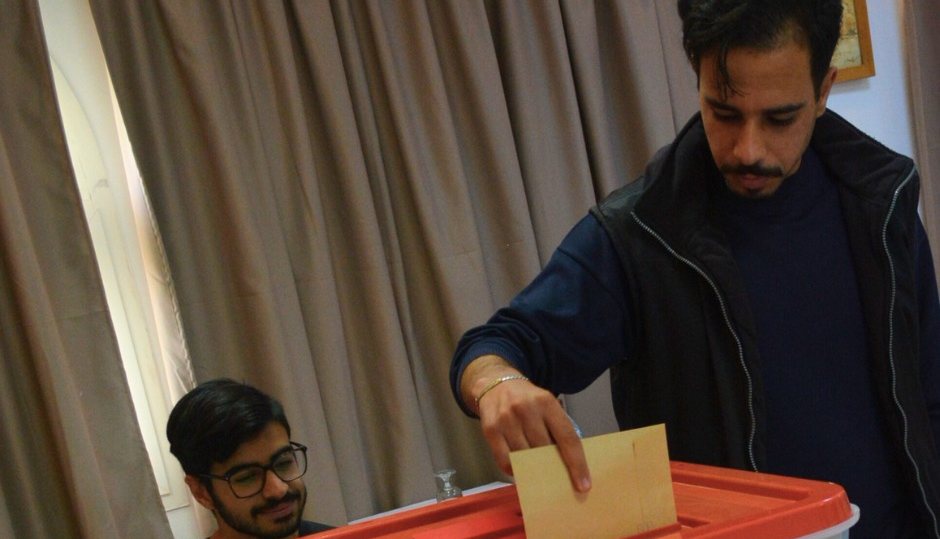
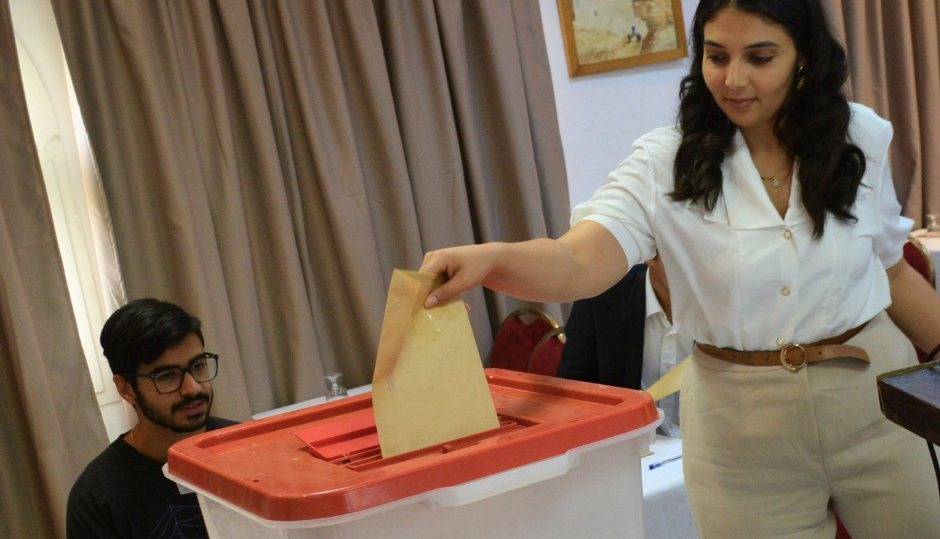
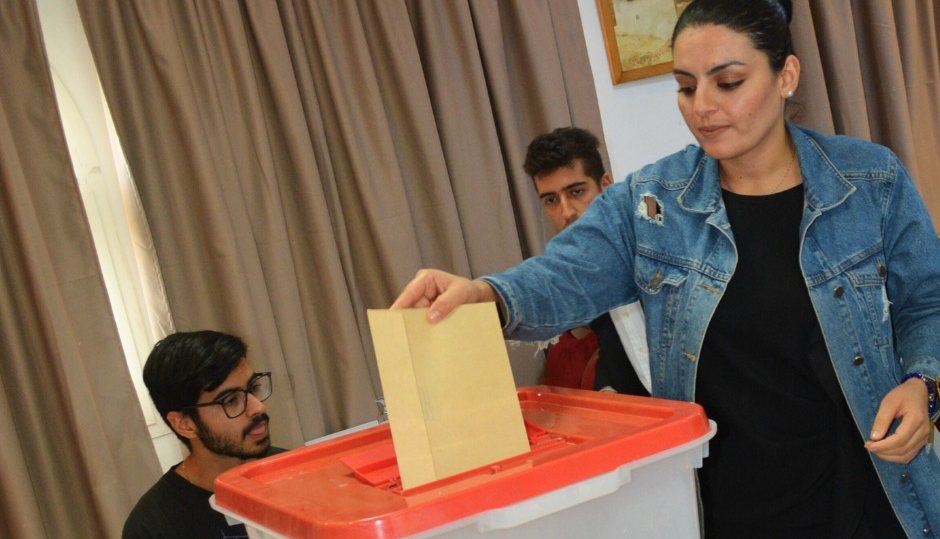
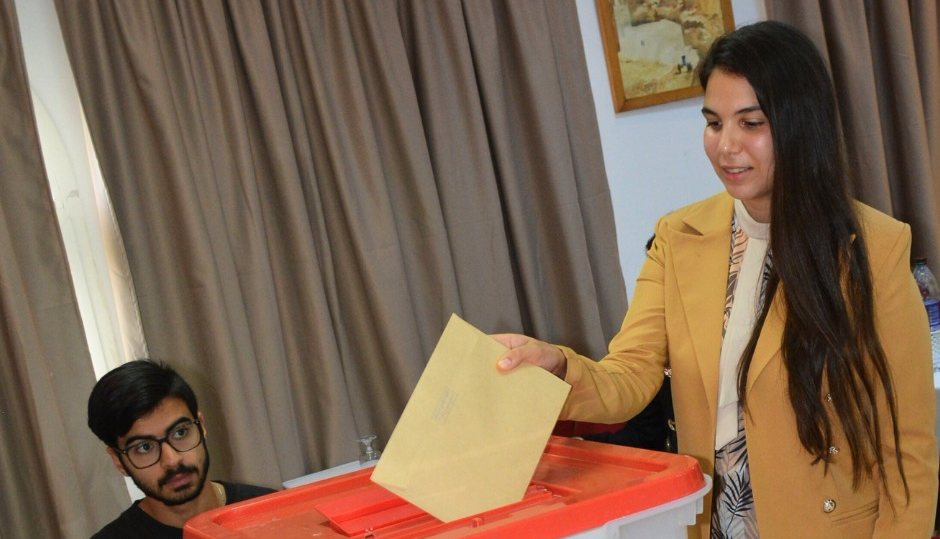
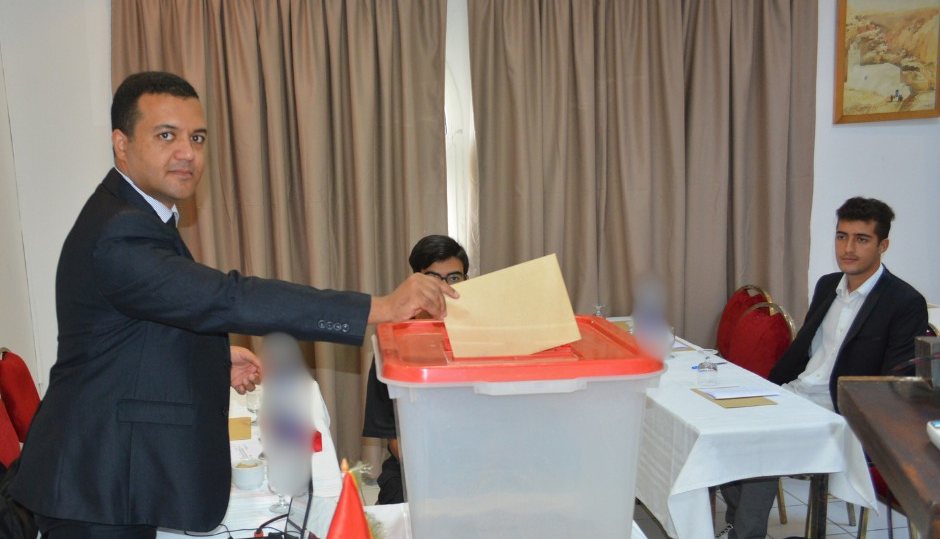
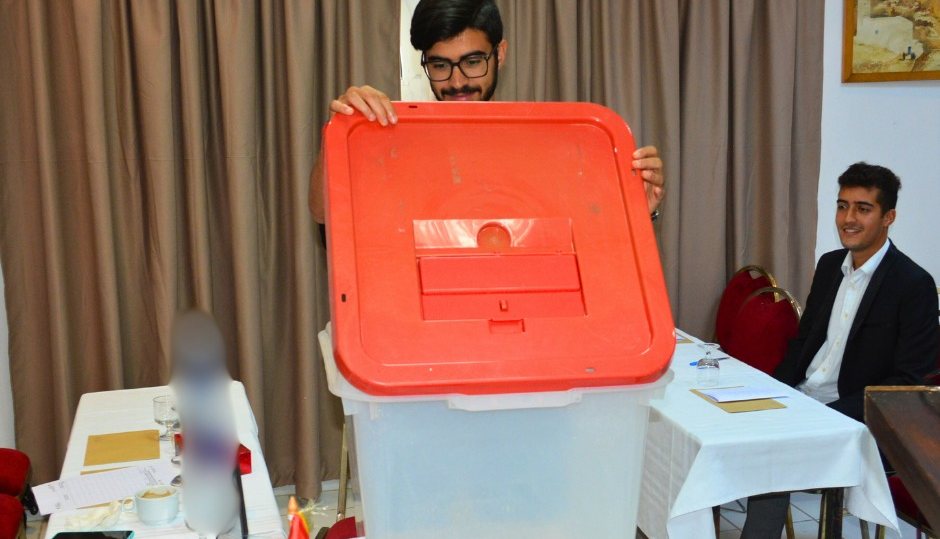
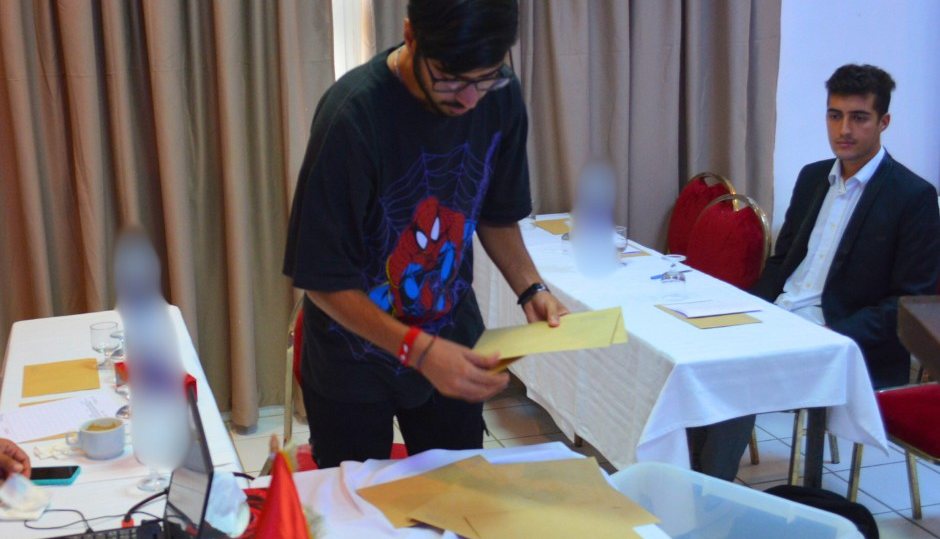
The album documents the vote itself. Members come up one by one and drop a brown envelope into a transparent ballot box with a red lid, while a member sits beside it; before that, others write at a table. Afterwards the lid is lifted, the box is tipped, its envelopes are taken out and a member handles them, which appears to be the count.
The post says new Board members were elected democratically. It gives no names, no offices, no number of voters and no result. [Names, offices, the composition of any electoral committee and the result are to be completed from the minutes.]
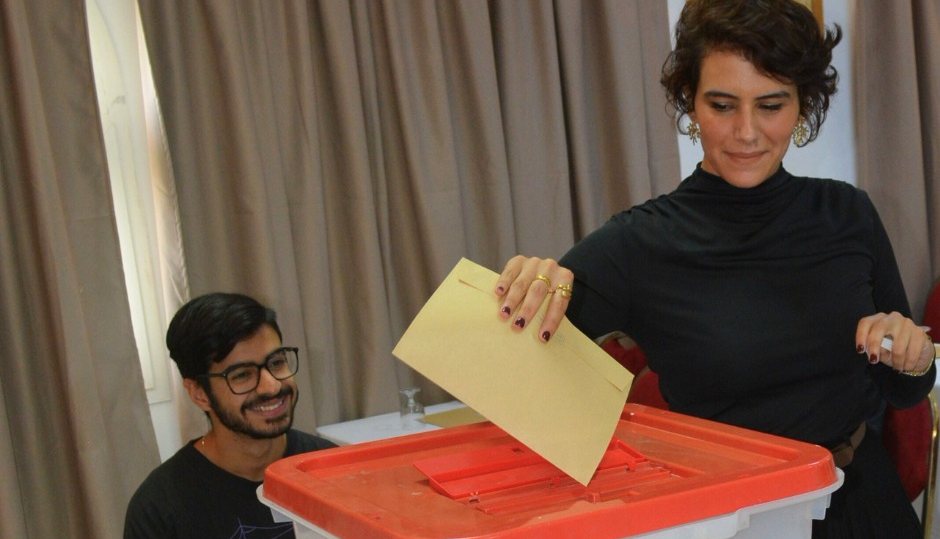
A member casts a brown envelope while a colleague looks on beside the box 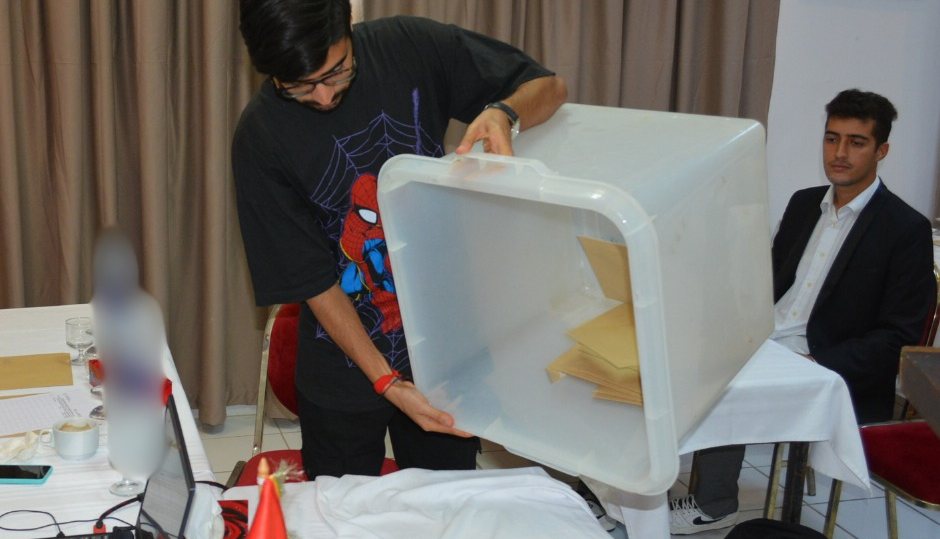
The box is tipped to take out the envelopes
The action plan 2024–2025
The post says the meeting adopted an action plan for 2024–2025 and describes its aims as scaling up peacebuilding programmes, strengthening regional partnerships, advancing innovative approaches to conflict resolution and expanding research and capacity-building. The text of the plan is not published here. [To be added once the Board confirms its publication.] It matters to members because it is the yardstick against which the reports of the next assembly can be read.
Members and observers
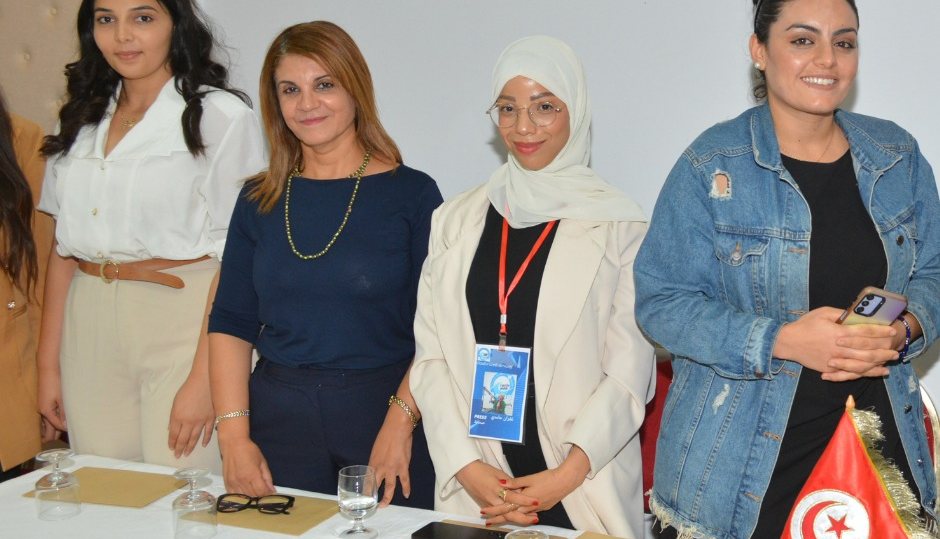
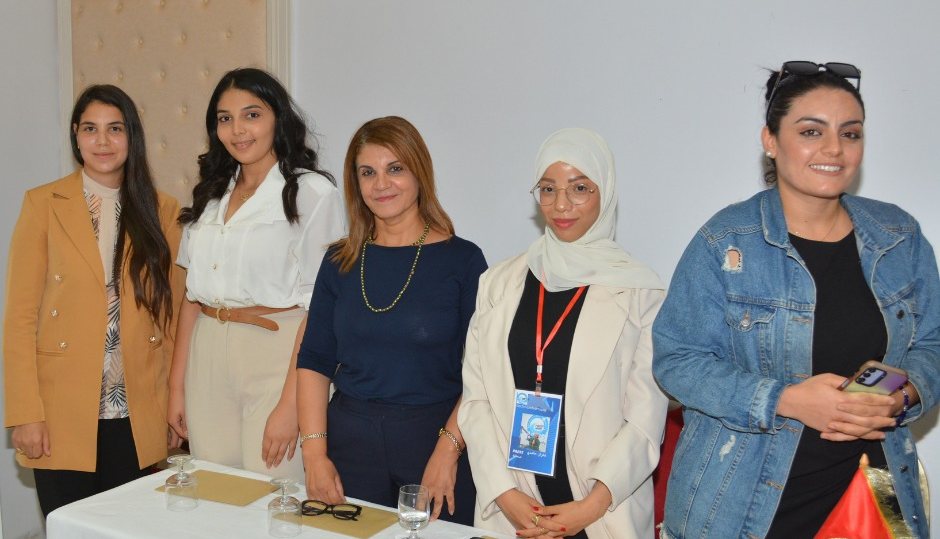
TIPCS notes the lively participation of its members and of international observers and thanks members, partners and observers. The group photographs show participants standing together at the table, the Tunisian flag beside them. The observers are not identified in the album and no guest is named.
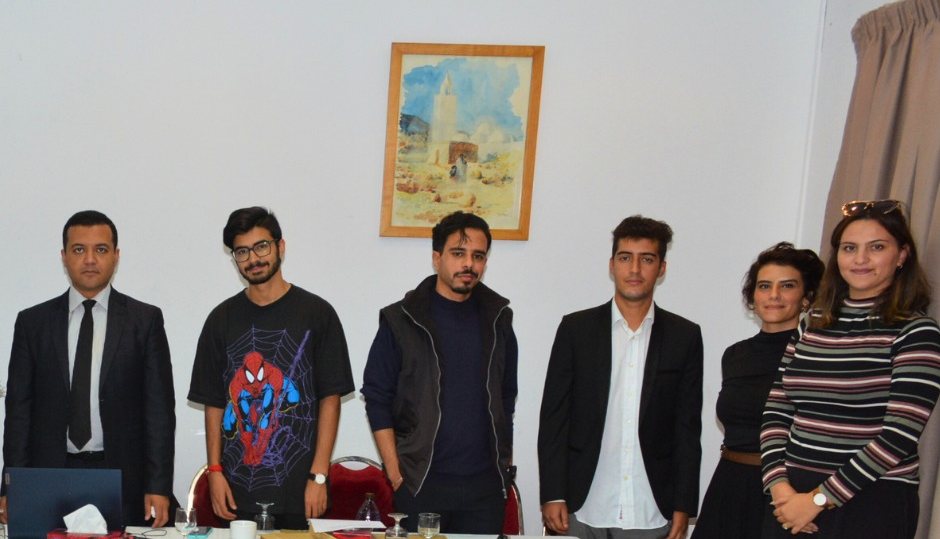
Six people stand together at the table, a laptop beside them
What this shows about TIPCS’s governance
The album records a meeting with a visible procedure: a presentation on voting methods, a ballot box, a vote member by member, an opened box and a count. It shows that TIPCS reports to its members and renews its Board by vote. It also shows the gaps TIPCS accepts to name: a date to be reconciled, names and results, the attendance and the documents. Nothing on this page replaces the minutes.
Governance and legal frame
Under Decree-Law 2011-88 of 24 September 2011 on associations, and under TIPCS’s statutes, the General Assembly is the supreme body of the association; the statutes set how it is convened, who votes and by what majority. The Decree-Law gives the assembly one task by name: for an association above the 100,000 TND threshold of article 43, the ordinary General Assembly appoints an auditor for three years, and the financial statements and the audit report are published within one month of their approval.
Around the assembly, the Decree-Law asks the association to keep its accounts under the enterprise accounting system (article 39), to keep its registers (article 40) and to keep its documents for ten years (article 42). Foreign funding must be published within one month of the decision or receipt and notified to the Secretary-General of the Government (article 41); a change of statutes must be notified within one month and made public (article 16); and conflicts of interest of members and employees are regulated (article 18).
Where TIPCS stands. Documented today: one public album of 34 photographs, TIPCS’s post of 8 February 2025 and the caption band with a venue and a date. Still to be deposited with the Board’s records and then referenced here: the signed minutes stating the date, the attendance sheet, the narrative and financial reports as validated, the list of the elected Board members and the action plan 2024–2025. Whether the article 43 threshold applied to the 2023 accounts is to be confirmed by TIPCS’s accountant. No amendment of the statutes is documented in the album.
The photographs and the minutes contain personal data, covered by Organic Law 2004-63. This text is information, not legal advice; points that depend on the statutes or on counsel’s reading are to be confirmed by a lawyer.